Author name: WONE

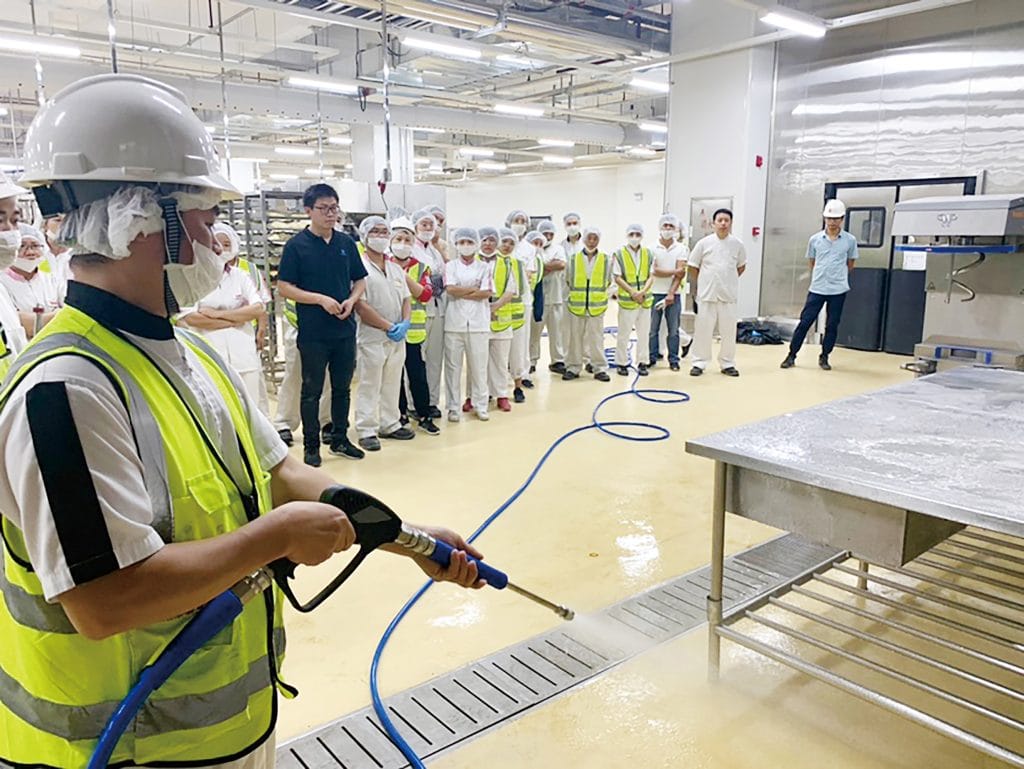
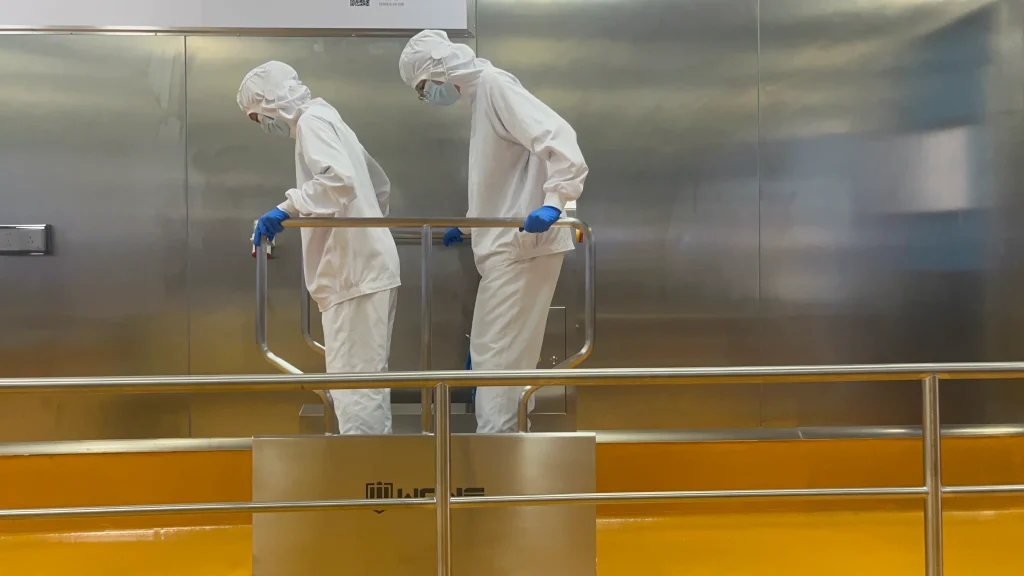
meat processing hygiene and cross-contamination control

Meat Processing Hygiene: How to Prevent Cross-Contamination

Meat processing hygiene is not only about keeping equipment and food-contact surfaces clean. In a busy meat processing facility, workers, footwear, tools, equipment, and materials can all carry contaminants from one area to another. Effective hygiene therefore requires controlling how contamination moves through the facility—not simply cleaning it after it happens. According to the U.S. […]

Meat Processing Hygiene: How to Prevent Cross-Contamination Read More »

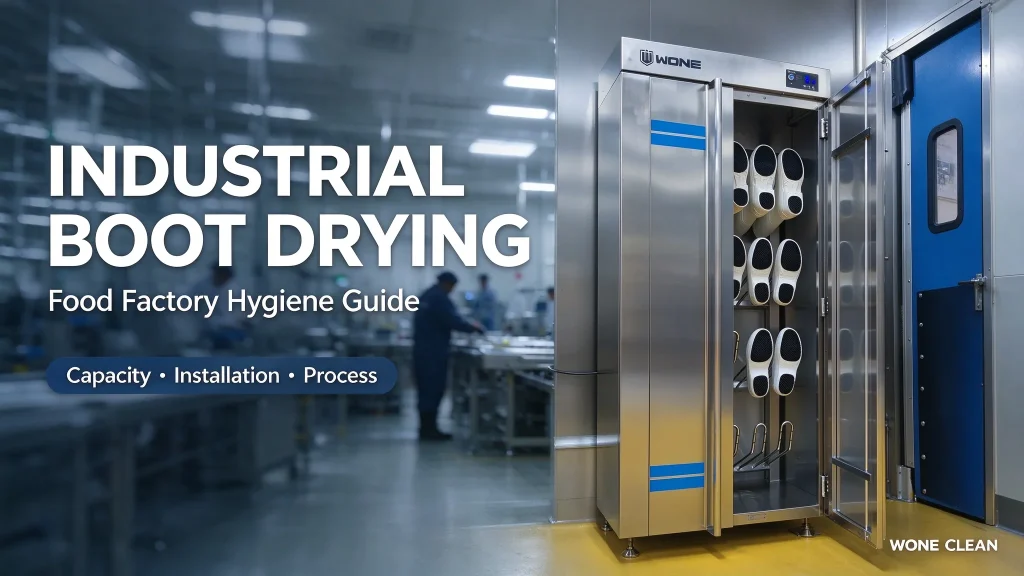
Footwear hygiene in food processing plants

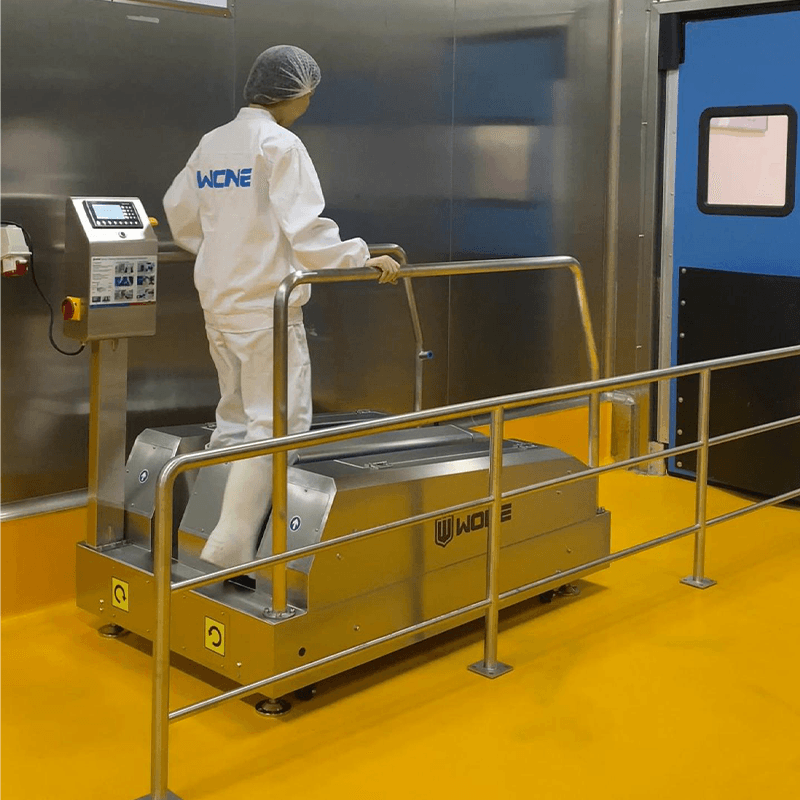
Footwear Hygiene in Food Processing Plants: Best Practices

Footwear is often overlooked in food processing hygiene programs. Employees wash their hands, equipment is sanitized, and floors are cleaned regularly. But work boots can still carry dirt, organic residues, grease, moisture, and microorganisms between different areas of a facility. This becomes especially important when employees move between raw-material areas, production rooms, changing rooms, and

Footwear Hygiene in Food Processing Plants: Best Practices Read More »

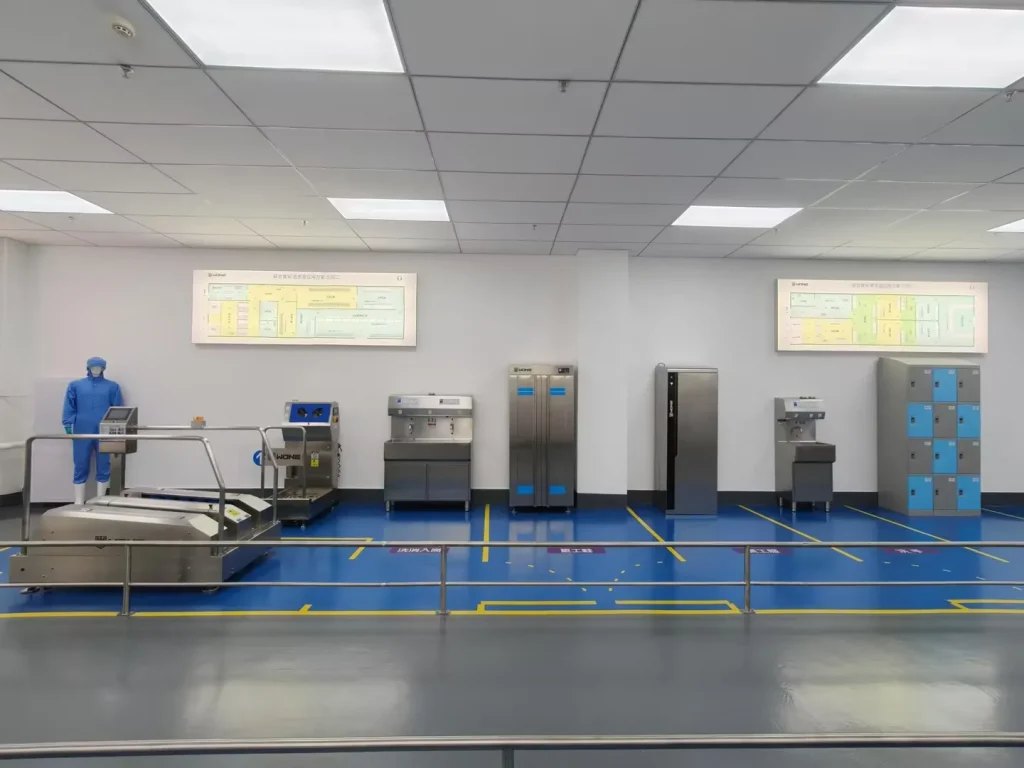
Food processing hygiene and contamination control in a modern food factory

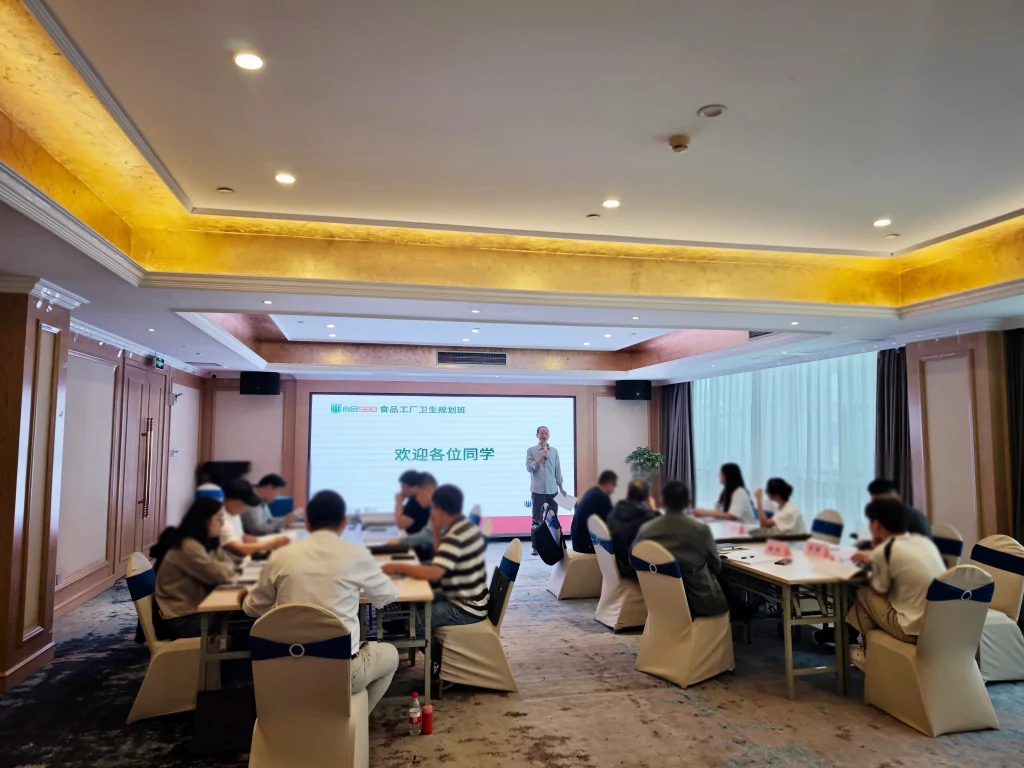
Food Processing Hygiene: Key Trends for 2026

Food processing hygiene is changing in 2026. Food manufacturers are moving beyond routine cleaning schedules and focusing more on contamination prevention, personnel hygiene, verification, and smarter sanitation systems. For years, many factories measured sanitation performance by a familiar list: cleaning completed, chemicals applied, equipment rinsed, and production restarted. That approach still has its place, but

Food Processing Hygiene: Key Trends for 2026 Read More »

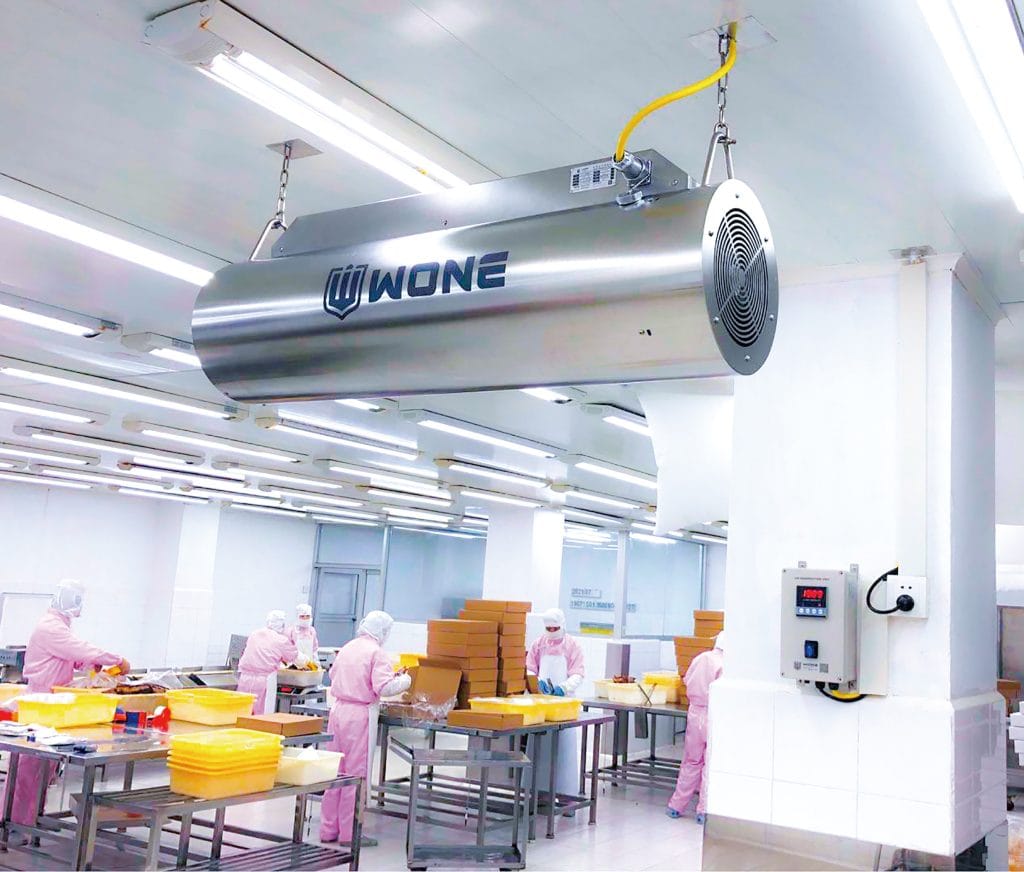
Changing Room Air Disinfection: What You Need to Know

In food processing plants and other hygiene-sensitive facilities, changing room air disinfection can play an important role in controlling airborne contamination before employees enter production areas. Changing rooms are a key transition point between the outside environment and controlled production areas. Employees may bring microorganisms, dust, and other contaminants into the facility through clothing, footwear,

Changing Room Air Disinfection: What You Need to Know Read More »

Heavy Grease Cleaning for Central Kitchens | WONE

In central kitchens and food processing facilities, heavy grease on cooking pans, kettles, and other equipment can become a difficult cleaning challenge. A mobile foam cleaning machine provides an efficient solution by combining foam cleaning, high-pressure rinsing, and disinfection in one mobile system. Cooking equipment faces high temperatures, oil, grease, and food residues every day.

Heavy Grease Cleaning for Central Kitchens | WONE Read More »

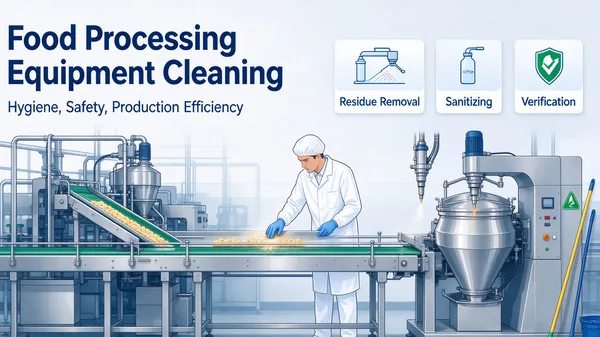
food processing cleaning and hygiene equipment

Food Processing Cleaning: Why Hygiene Equipment Matters

In a food processing plant, cleaning is not simply a task performed after production. It is an essential part of daily operations. Floors, walls, conveyors, processing equipment, drains, tools, and personnel can all become sources of contamination if they are not properly managed. At the same time, manual cleaning can consume significant amounts of labor,

Food Processing Cleaning: Why Hygiene Equipment Matters Read More »

Dairy factory hygiene in a modern dairy processing facility

Dairy Factory Hygiene: Key Microbial Risks and Practical Solutions

Dairy factory hygiene is essential for controlling microorganisms throughout the production environment. From drains and equipment to personnel, footwear, and post-pasteurization areas, multiple contamination routes can affect dairy food safety. Therefore, an effective dairy factory hygiene program should combine hygienic design, personnel hygiene, controlled cleaning, environmental monitoring, and corrective action. The 2024 Rizo-López Foods outbreak

Dairy Factory Hygiene: Key Microbial Risks and Practical Solutions Read More »

How to Control Airborne Microbial Contamination in Food Processing Areas: A Practical Guide

High airborne microbial counts, recurring mold growth, and unexpectedly shortened product shelf life often point to the same underlying problem: inadequate environmental hygiene control. In food processing facilities, air can become an important pathway for microorganisms to spread, especially in areas where products are exposed during cooling, filling, handling, or packaging. Effective air hygiene management

How to Control Airborne Microbial Contamination in Food Processing Areas: A Practical Guide Read More »

How to Clean a Few-Hundred-Square-Meter Workshop? A Practical Guide to Choosing a Foam Cleaning Machine for Small Food Factories

Summary: Your food processing workshop may only cover a few hundred square meters, but that does not mean hygiene requirements are low. Greasy floors, complex equipment, and hard-to-reach areas can quickly make traditional mops and brushes ineffective. So, how do you choose the right foam cleaning machine to achieve efficient and thorough cleaning? This article

How to Clean a Few-Hundred-Square-Meter Workshop? A Practical Guide to Choosing a Foam Cleaning Machine for Small Food Factories Read More »

Meet the Engineer Behind Woneclean: How Small Improvements Make Food Hygiene Better

When people see a hygiene station or cleaning system in a food factory, they usually see the final equipment. But behind every product, there are many discussions, tests, and improvements that customers may never see. At Woneclean, we spoke with one of our engineers to understand what happens behind the scenes — how ideas become

Meet the Engineer Behind Woneclean: How Small Improvements Make Food Hygiene Better Read More »

Scroll to Top

Fill The Form

CONTACT US