Author name: WONE

Cross-Contamination in Food Factories: How to Prevent It

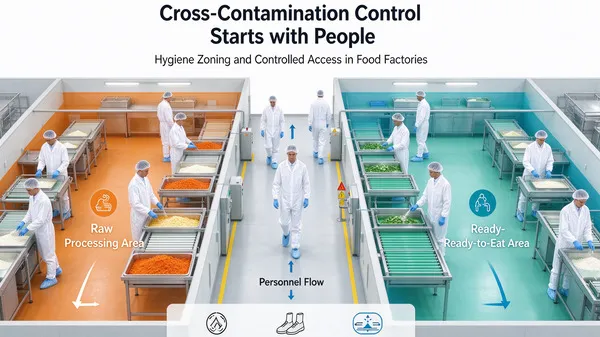
Why Hygiene Stations Are Essential for Preventing Cross-Contamination in Food Factories Cross-contamination in food factories does not always start with the product. It can start with a pair of boots, a pair of hands, a door handle, a trolley, or an employee moving from one production area to another. This is especially important in factories […]

Cross-Contamination in Food Factories: How to Prevent It Read More »

Work Boot Hygiene: How to Prevent Cross-Contamination

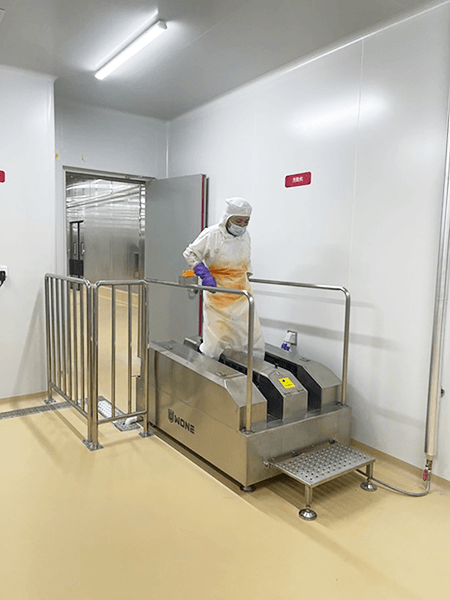
Work boot hygiene is an important part of preventing cross-contamination in food factories. Work boots can carry dirt, food residues, grease, and microorganisms from one production area to another. For food factories, meat processing plants, bakeries, dairy plants, and central kitchens, work boot hygiene is an important part of controlling cross-contamination. According to the CDC,

Work Boot Hygiene: How to Prevent Cross-Contamination Read More »

Food Factory Air Disinfection: 3 Common Problems

When microbial counts repeatedly exceed your limits, food factory air disinfection is one area worth reviewing. A food processing facility may clean equipment every day and perform ozone disinfection after each shift, yet environmental monitoring results can still remain inconsistent. In many cases, the issue is not simply whether the factory disinfects, but whether the

Food Factory Air Disinfection: 3 Common Problems Read More »

Food Factory Air Disinfection: Practical Guide

Airborne microorganisms are an often-overlooked hygiene risk in food processing plants. Yeast, mold and bacteria can spread through air movement, personnel traffic, condensation and poorly maintained ventilation systems. In areas where products are exposed after cooking or during cooling and packaging, poor air hygiene can increase the risk of product contamination and shorten shelf life.

Food Factory Air Disinfection: Practical Guide Read More »

How to Clean Work Boots in Meat Processing Plants

Learning how to clean work boots properly is an important part of hygiene management in meat processing plants. During slaughtering, cutting and processing, workers’ boots can come into contact with blood, fat, meat residue, wastewater and other organic material. Unlike ordinary workplace footwear, food processing boots often work in wet and heavily contaminated environments. Dirt

How to Clean Work Boots in Meat Processing Plants Read More »

Boot Hygiene in Food Processing Plants: Practical Guide

Boot hygiene plays an important role in personnel hygiene and contamination control in food processing plants. During production, workers’ boots can come into contact with blood, fat, meat residue, fish slime, mud, wastewater and other organic material. This makes boot hygiene in food processing plants more than a cleaning issue. It forms part of personnel

Boot Hygiene in Food Processing Plants: Practical Guide Read More »

Food factory hygiene solutions at Hefei Experience Center

Food Factory Hygiene Solutions | Hefei Experience Center

Food factory hygiene solutions are becoming increasingly important as food manufacturers look for better ways to control contamination, personnel hygiene, cleaning, and disinfection. United Food Safety recently completed a major upgrade to its Hefei Experie   nce Center. The new center gives food manufacturers a practical place to explore hygiene equipment, changing-room layouts, cleaning systems, and

Food Factory Hygiene Solutions | Hefei Experience Center Read More »

Central kitchen disinfection and hygiene management

Central Kitchen Hygiene: Key Cleaning and Sanitation Practices

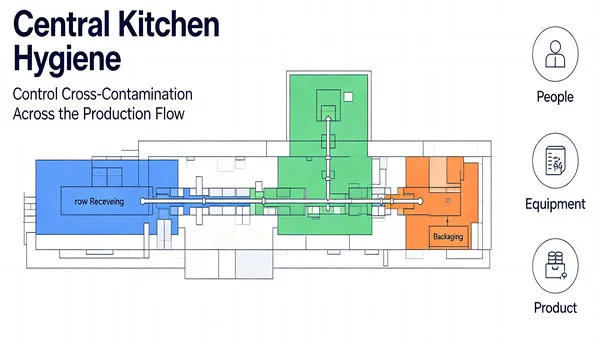
Central kitchen hygiene is essential for controlling cross-contamination in facilities where large volumes of ingredients, food products, people and equipment move through the same production environment. Effective hygiene management covers more than cleaning food-contact surfaces. It also includes equipment sanitation, floor and drain cleaning, personnel hygiene, footwear hygiene, chemical control and the separation of high-

Central Kitchen Hygiene: Key Cleaning and Sanitation Practices Read More »

meat processing hygiene and cross-contamination control

Meat Processing Hygiene: How to Prevent Cross-Contamination

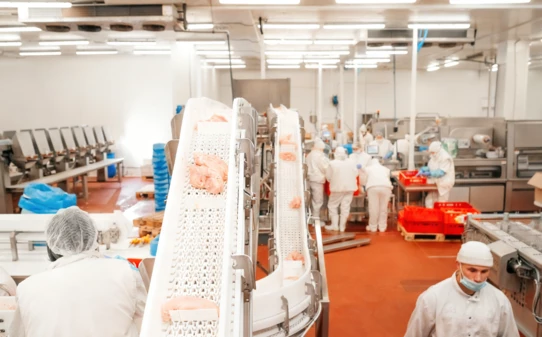
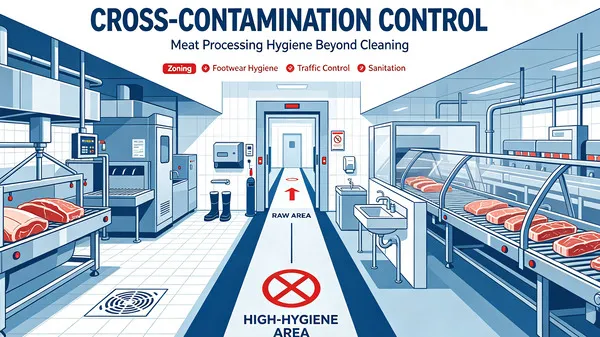
Meat processing hygiene is not only about keeping equipment and food-contact surfaces clean. In a busy meat processing facility, workers, footwear, tools, equipment, and materials can all carry contaminants from one area to another. Effective hygiene therefore requires controlling how contamination moves through the facility—not simply cleaning it after it happens. According to the U.S.

Meat Processing Hygiene: How to Prevent Cross-Contamination Read More »

Scroll to Top

Fill The Form

CONTACT US