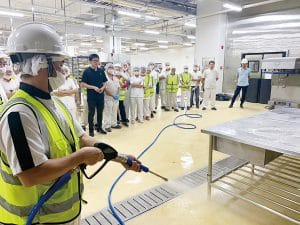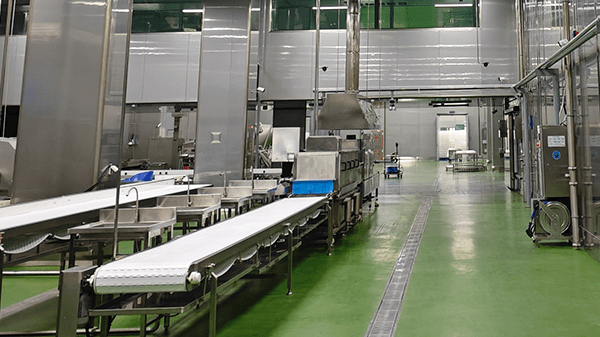
Dairy cross-contamination prevention is one of the most critical aspects of modern dairy hygiene management. By implementing effective hygiene strategies, dairy processing plants can significantly reduce contamination risks while improving food safety and production efficiency.
From raw milk receiving to processing, packaging, and storage, every stage creates potential contamination risks. A small hygiene failure can lead to product recalls, production downtime, financial losses, and long-term damage to brand reputation.
According to the Food and Agriculture Organization (FAO), contamination control throughout the dairy production chain is essential to ensure consumer safety and maintain product quality.
For modern dairy processing plants, hygiene is no longer only a cleaning task. It is a complete management system involving:
- Equipment sanitation
- Employee hygiene control
- Cleaning procedures
- Cross-contamination prevention
- Factory workflow design
- Continuous monitoring
Effective dairy hygiene management helps manufacturers reduce risks before problems occur.
Understanding Cross-Contamination Risks in Dairy Processing
Cross-contamination occurs when harmful microorganisms, allergens, chemicals, or foreign materials transfer from one area, surface, product, or person to another.Successful dairy cross-contamination prevention requires controlling contamination sources before they spread throughout the production environment.
In dairy factories, contamination commonly happens through four major pathways:
1. Equipment and Production Surfaces
Processing equipment, pipelines, filling machines, tanks, and conveyors can become contamination sources if cleaning procedures are insufficient.
Milk residues contain proteins, fats, and sugars that can form biofilms on surfaces.
Biofilms are particularly dangerous because microorganisms protected inside biofilms are more resistant to normal cleaning processes.
Common risks include:
- Stainless steel surfaces not properly cleaned
- Dead corners in equipment design
- Poor sanitation after production
- Incorrect chemical concentration
2. Personnel Movement and Employee Hygiene
Employees are one of the most common contamination transfer routes.
Workers moving between:
- Raw material areas
- Processing zones
- Packaging rooms
- Cold storage areas
can unintentionally carry bacteria through hands, footwear, and clothing.
Employee hygiene plays a vital role in dairy cross-contamination prevention, especially in high-risk production zones.
Research in food safety management shows that human handling is responsible for a significant proportion of contamination events in food production environments.
A strong dairy hygiene program requires:
- Controlled entry procedures
- Hand washing and sanitizing stations
- Footwear cleaning systems
- Protective clothing management
3. Water and Cleaning Processes
Water quality and cleaning methods directly affect dairy plant hygiene.
Improper cleaning can create problems such as:
- Remaining milk residues
- Chemical contamination
- Bacterial growth
- Ineffective sanitation
A professional cleaning system should control:
- Water pressure
- Cleaning chemical dosage
- Cleaning frequency
- Equipment accessibility
Foam cleaning systems are widely adopted to improve dairy cross-contamination prevention by ensuring complete surface coverage.
4. Airborne Contamination
Air movement can spread microorganisms, dust, and particles between production areas.
High-risk areas such as:
- Filling rooms
- Packaging areas
- Ready-to-eat dairy production zones
require better environmental control.
Solutions may include:
- Air purification systems
- Positive air pressure control
- Regular environmental monitoring
Building an Effective Dairy Hygiene Management System
A successful hygiene system is not based on one machine or one cleaning process.
It requires a complete approach.
1. Design Hygiene Into Factory Operations
The best hygiene strategy starts with factory design.
Food processing plants should consider:
- Separation between clean and dirty areas
- Controlled personnel flow
- Easy-to-clean equipment
- Proper drainage systems
- Dedicated hygiene zones
A well-designed hygiene workflow reduces contamination risks before cleaning even begins.
2. Strengthen Personnel Hygiene Control
Employees should pass through hygiene control procedures before entering production areas.
A complete hygiene entrance system normally includes:
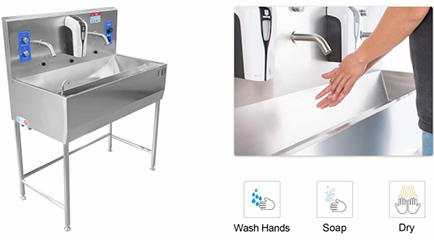
Hand Cleaning
Hands are one of the biggest contamination carriers.
Automatic hand washing systems help ensure:
- Consistent cleaning time
- Reduced human error
- Better hygiene compliance
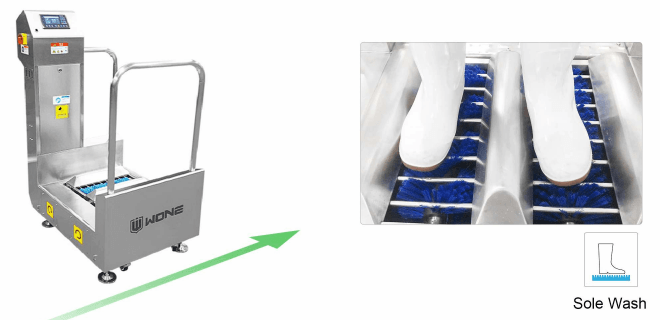
Footwear Cleaning
Footwear can transfer microorganisms from floors into sensitive production areas.
Automatic boot washers and cleaning stations help reduce:
- Bacterial transfer
- Dirt accumulation
- Cross-zone contamination
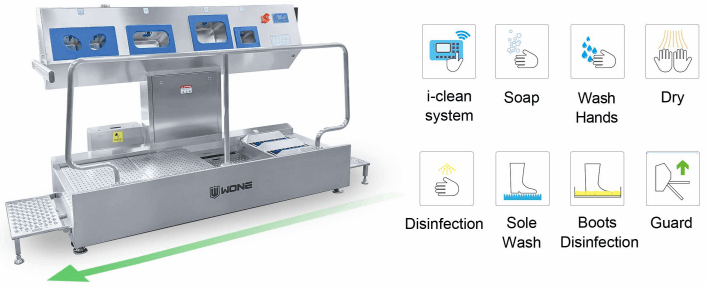
Hygiene Stations
A professional hygiene station combines multiple functions:
- Hand disinfection
- Sole cleaning
- Access control
- Sanitizing procedures
This creates a controlled hygiene barrier between employees and production areas.
3. Improve Cleaning Efficiency with Professional Equipment
Traditional manual cleaning often creates inconsistent results.
Modern dairy plants are increasingly adopting:
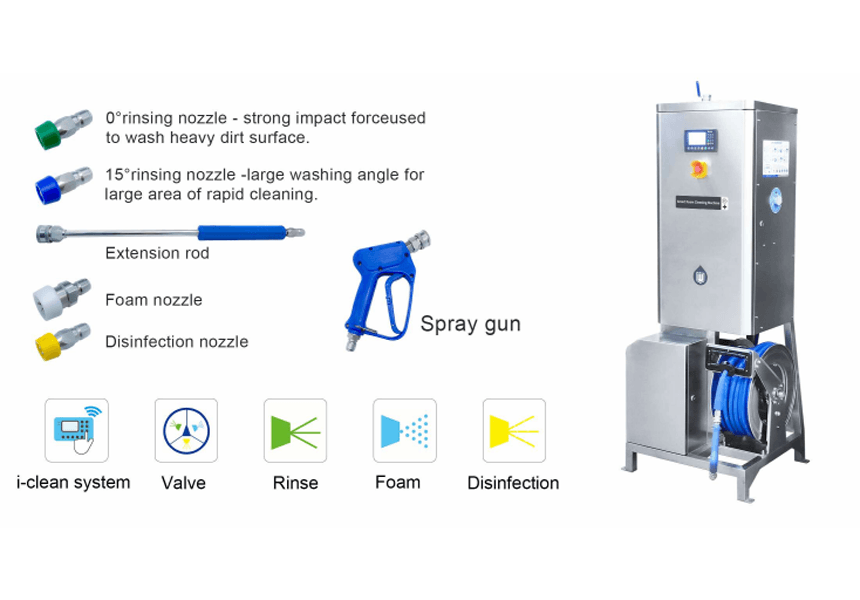
Foam Cleaning Systems
Foam cleaning allows operators to:
- Cover large surface areas quickly
- Clearly identify cleaning coverage
- Reduce water consumption
- Improve chemical contact time
For dairy processing environments, foam cleaning is especially effective for:
- Walls
- Floors
- Processing equipment
- Stainless steel surfaces
High Pressure Cleaning Systems
High-pressure cleaning equipment helps remove:
- Milk residues
- Fat deposits
- Organic contamination
However, pressure must be properly controlled to avoid spreading contamination through aerosols.
The Cost of Poor Dairy Hygiene Management
Poor hygiene management creates hidden costs beyond product contamination.
Potential impacts include:
| Risk | Business Impact |
|---|---|
| Product recalls | Financial losses and customer complaints |
| Microbial contamination | Food safety incidents |
| Production shutdown | Lost production capacity |
| Failed audits | Loss of certifications |
| Brand damage | Reduced market confidence |
For large dairy manufacturers, preventing contamination is significantly more cost-effective than responding after an incident occurs.
How Dairy Plants Can Improve Hygiene Performance
A practical improvement plan includes:
Step 1: Identify Critical Contamination Points
Analyze:
- Employee routes
- Equipment contact points
- Cleaning processes
- High-risk production areas
Step 2: Standardize Cleaning Procedures
Create clear standards for:
- Cleaning frequency
- Chemical usage
- Equipment operation
- Verification methods
Step 3: Install Proper Hygiene Control Equipment
Invest in solutions that improve consistency:
- Automatic hand hygiene systems
- Boot cleaning machines
- Foam cleaning equipment
- Air sanitation equipment
Step 4: Monitor and Continuously Improve
Successful dairy hygiene management requires:
- Regular inspections
- Microbial testing
- Employee training
- Data-based improvement
For dairy manufacturers, hygiene equipment is not simply a purchase decision — it is an investment in food safety, operational efficiency, and brand protection.
WONECLEAN provides professional hygiene and sanitation solutions for food processing industries, including:
- Hygiene stations
- Foam cleaning machines
- Boot washing systems
- Hand hygiene equipment
- Air disinfection solutions
By combining reliable equipment with effective hygiene management practices, dairy plants can build stronger contamination prevention systems and achieve higher food safety standards.
Conclusion
Dairy hygiene management requires more than regular cleaning.
The most successful dairy processing plants create a complete contamination prevention system by controlling:
- People
- Equipment
- Environment
- Cleaning procedures
Preventing cross-contamination before it happens is the key to maintaining safe products, stable production, and long-term business growth.
A well-designed hygiene management system helps dairy manufacturers move from reactive cleaning to proactive food safety control.
References
- Food and Agriculture Organization (FAO) – Dairy Production and Products
https://www.fao.org/dairy-production-products/ - World Health Organization (WHO) – Food Safety
https://www.who.int/health-topics/food-safety - Codex Alimentarius – General Principles of Food Hygiene (CXC 1-1969)
https://www.fao.org/fao-who-codexalimentarius/