Maintaining high hygiene standards is critical for every food processing plant. As regulations become stricter, factories must ensure consistent hand hygiene, footwear sanitising, and controlled entry to prevent contamination. Choosing the right hygiene station for food processing plants not only improves food safety compliance but also enhances workflow efficiency.
This guide walks you through the key factors to consider when selecting a hygiene station, helping you find the most suitable system for your production environment.
1. Start by Identifying Your Hygiene Requirements
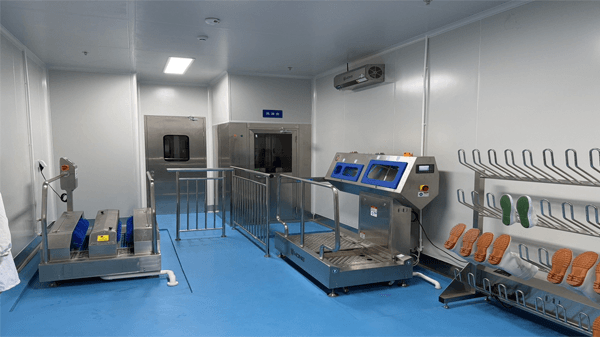
Before selecting equipment, evaluate the hygiene risks in your facility:
-
Number of workers passing through the hygiene area
-
Need for handwashing, hand disinfection, or both
-
Whether footwear cleaning is required (boot sole or full boot cleaning)
-
Required access control level
-
Available space for installation
2. Consider Automatic and Contactless Operation
Modern food factories prefer sensor-activated hygiene stations, because they:
-
Reduce manual errors
-
Prevent cross-contamination
-
Ensure every worker completes hygiene steps
-
Provide consistent sanitiser dosing
-
Improve traceability
Common automatic components include:
-
Touchless soap dispensers
-
Automatic hand sanitiser dosing
-
Auto-start boot sole brushes
-
Turnstile access control
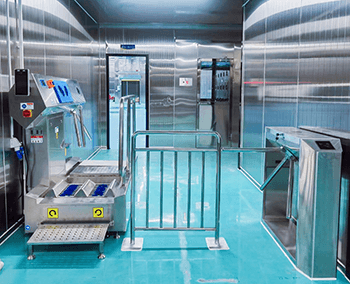
This makes an automatic hygiene station with turnstile ideal for high-risk zones.
3. Choose Equipment That Meets Food Safety Standards
A high-quality hygiene station should be designed to support HACCP, IFS, BRC, and other food safety audit requirements. Look for:
-
Food-grade stainless steel (304/316)
-
Hygienic design without sharp corners
-
Easy-to-clean structure
-
Anti-splash and drainage system
-
Stable sanitiser concentration control
Using compliant equipment helps maintain strong audit results and prevents hygiene violations.
4. Select the Right Footwear Cleaning Type
Different factories require different shoe sanitising systems. Below is a comparison:
Hygiene Station Types Comparison
Type of Hygienic Equipment Best For Includes Advantages Boot Sole Cleaning Machine Standard food processing plants Rotating brushes, sanitiser dosing Fast foot cleaning, small footprint Full Boot Cleaning Station Meat, poultry, seafood plants Upper boot brushes, deep cleaning High-level hygiene, suitable for wet areas Walk-Through Disinfection Bath High-microbiology control areas Disinfection tank, sensors Strong disinfection, ideal for critical zones Hand & Boot Hygiene Combo Station Medium–large factories Handwashing + boot cleaning + turnstile Complete hygiene control, controlled entry
5. Plan According to Worker Flow and Space Layout
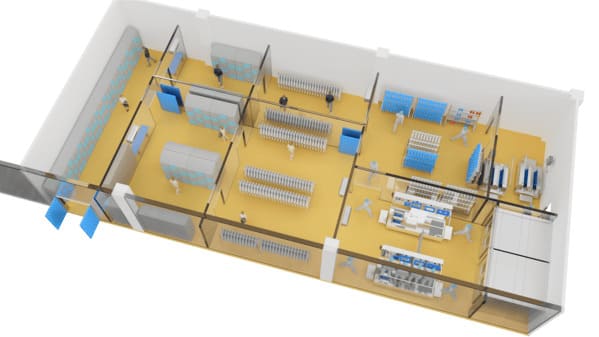
The hygiene station should match your factory layout:
-
Single-lane units for small teams
-
Dual-lane hygiene stations for medium factories
-
Full access control systems for high-traffic plants
-
Left/right orientation options
-
Enough queue space for peak production times
A well-planned layout prevents bottlenecks and keeps worker movement smooth.
6. Evaluate Maintainability and Long-Term Cost
Good hygiene equipment should offer:
-
Durable stainless steel construction
-
IP-rated electronics
-
Easy access for maintenance
-
Spare parts availability
-
Low sanitiser consumption
Instead of comparing only the purchase price, consider the total cost of ownership over 3–5 years.
7. Avoid Common Mistakes When Choosing a Hygiene Station
Factories often make these mistakes:
-
Choosing a station too small for worker flow
-
Ignoring footwear cleaning needs
-
Not considering access control
-
Buying equipment that’s difficult to clean
-
Choosing low-quality materials that rust in wet environments
Avoiding these issues helps maintain long-term compliance and hygiene performance.
8. Why a Good Hygiene Station Improves Food Safety
A well-designed hygiene entry system helps:
-
Reduce cross-contamination
-
Improve worker hygiene habits
-
Standardize hygiene procedures
-
Pass food safety audits more easily
-
Reduce product contamination risks
-
Enhance brand reputation
This is why hygiene stations are becoming standard equipment in modern food plants.
Conclusion
Selecting the right hygiene station for food processing plants involves evaluating hygiene risks, understanding food safety compliance requirements, comparing system types, and assessing worker flow. A properly selected system helps ensure worker safety, reduces contamination risks, and supports strong audit performance.
For factories looking to improve hygiene control, you can explore our related equipment such as the
Hand & Boot Hygiene Stations and
Boot Sole Cleaning Machines
to better understand the options available for different production environments.If you need a customised hygiene station recommendation based on your plant layout, production scale, or industry type, our team can provide guidance tailored to your needs.
To learn more about international hygiene standards, you may also refer to:-
HACCP International – https://www.haccp-international.com/
-
BRCGS Food Safety Standard – https://www.brcgs.com/
-
USDA Food Safety & Inspection Service (FSIS) – https://www.fsis.usda.gov/
-
European Commission Food Safety – https://food.ec.europa.eu
These authoritative resources help ensure your hygiene station selection aligns with global food safety expectations.
FAQ
1. What is a hygiene station in food processing?
A hygiene station is an automated system designed to ensure workers clean and disinfect their hands and shoes before entering production areas.
2. Do all food factories need boot sole cleaning?
Not all factories require it, but most benefit from boot sole cleaning machines, especially wet or raw processing areas.
3. What features should a hygiene station include?
Contactless operation, automatic dosing, stainless steel design, easy maintenance, and access control are essential.
4. How much space is needed for a hygiene station?
Small units may require only 1–1.5 meters, while full systems with turnstiles may require 3–5 meters depending on worker flow.
5. Are hygiene stations required for food safety audits?
While not always mandatory, they significantly support HACCP, IFS, and BRC compliance and reduce audit risks.
6. Can hygiene stations reduce cross-contamination?
Yes. They standardize hygiene steps and ensure workers complete them before entering production zones.
-
-