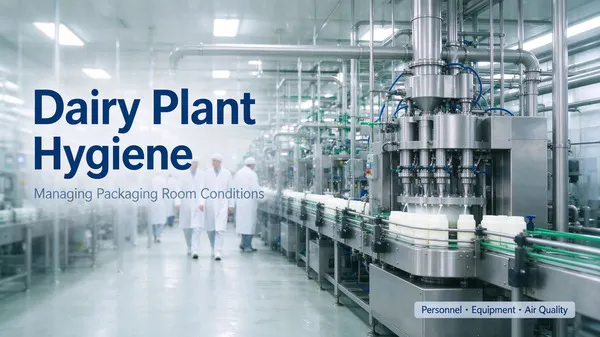
Dairy Plant Hygiene: Managing Packaging Room Conditions
Dairy plant hygiene plays an important role in preventing contamination during milk processing and packaging. Even after pasteurization or other processing steps, products may face contamination risks during filling, sealing, handling and storage. Therefore, dairy factories need to manage more than product-contact surfaces. They also need to control personnel movement, changing rooms, equipment cleaning and air quality around packaging areas.
A practical hygiene plan connects these areas instead of treating them as separate tasks. This guide explains how dairy plants can improve packaging room hygiene through better personnel hygiene procedures, equipment cleaning arrangements and air quality management.
Why Dairy Plant Hygiene Matters in Packaging Rooms
Packaging rooms often handle products after important processing or heat-treatment steps. At this stage, poor hygiene practices can introduce contamination through employees, packaging materials, equipment surfaces or the surrounding environment.
For example, employees may carry contaminants on their hands, clothing or footwear. In addition, poorly cleaned equipment and uncontrolled movement between production zones can increase cross-contamination risks.
Dairy factories should pay particular attention to:
- Personnel entering and leaving packaging areas
- Handwashing and hand disinfection procedures
- Work clothing and footwear management
- Cleaning and sanitation of production equipment
- Air movement, dust and condensation
- Packaging material handling and storage
The Codex Code of Hygienic Practice for Milk and Milk Products (CXC 57-2004) provides guidance on hygienic practices throughout milk production and processing. Dairy plants can use it alongside their own food safety plans and applicable local requirements.
Dairy Factory Changing Room and Personnel Hygiene
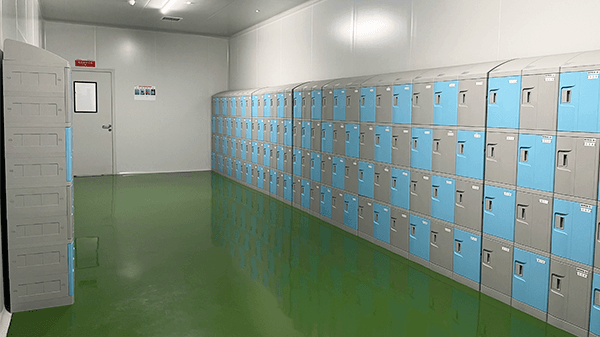
A changing room serves as a transition area between the outside environment and the production facility. Employees should change into designated work clothing before entering controlled production areas.
A well-planned changing room can help separate personal clothing from factory workwear and reduce the transfer of dirt and contaminants.
Important arrangements include:
- Separate storage for outdoor clothing and workwear
- Lockers for personal belongings
- Clearly marked clean and used clothing areas
- Handwashing facilities
- Suitable footwear storage and cleaning arrangements
- Regular cleaning of floors, benches and contact surfaces
Factories should also establish clear personnel movement routes. Where practical, employees should not move directly from raw-material areas into high-care packaging rooms without following the required hygiene procedures.
Personnel Hygiene Stations for Dairy Plants
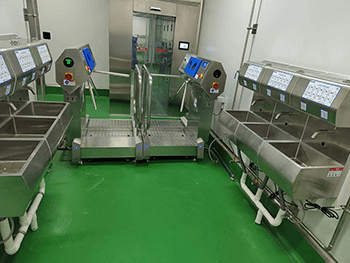
Personnel hygiene stations help employees complete required hygiene steps before entering production areas. Depending on the factory layout and risk assessment, these stations may combine handwashing, hand drying, hand disinfection and footwear cleaning or disinfection.
The right configuration depends on the number of employees, entrance layout, hygiene zoning and the factory’s operating procedures.
For example, a busy packaging area may need an automatic hygiene entrance station to guide employees through the required steps before they enter. This arrangement also helps factories make personnel hygiene procedures more consistent.
Dairy plants can review personnel hygiene stations for food processing facilities when planning hygiene entrances.
However, installing equipment alone does not guarantee good hygiene. Employees still need clear instructions, regular training and routine checks. Supervisors should also make sure that soap, sanitizer and other consumables remain available.
Equipment Cleaning and Sanitation in Dairy Plants
Equipment cleaning is another important part of dairy plant hygiene. Milk residues, fats, proteins and other product deposits can remain on processing equipment, floors and surrounding surfaces if cleaning procedures are incomplete.
Dairy factories should establish cleaning procedures based on the equipment type, production process and level of contamination risk.
A practical equipment cleaning area should consider:
- Enough space for cleaning operations
- Suitable water supply and drainage
- Safe storage of cleaning chemicals
- Clear separation between clean and dirty equipment
- Appropriate cleaning tools and accessories
- Procedures for rinsing, foaming and disinfection where required

Plan the Equipment Cleaning Area
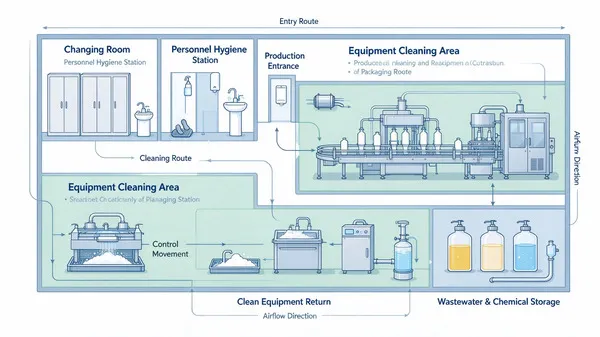
Factories should plan equipment cleaning areas to avoid unnecessary movement of dirty tools and equipment through clean production zones.
For example, employees should have a clear route for moving equipment from production to the cleaning area and returning it after cleaning. The layout should also prevent wastewater and cleaning residues from spreading into packaging areas.
In addition, cleaning chemicals should be clearly labelled and stored separately from ingredients, packaging materials and finished products.
Use Suitable Cleaning Systems
For larger dairy facilities, centralized or mobile foam cleaning equipment can help organize cleaning work across production areas. These systems can support the application of water, foam detergents and disinfectants according to the factory’s cleaning procedures.
The equipment selection should match the actual cleaning tasks, water supply, electrical supply, working pressure and factory layout.
Most importantly, cleaning equipment supports the cleaning programme; it does not replace it. Staff should follow the chemical manufacturer’s instructions, correct contact times and the factory’s validated sanitation procedures.
Dairy Packaging Room Air Quality Management
Air quality is another factor in dairy plant hygiene, especially in rooms where products remain exposed during filling or packaging.
Air can carry dust, droplets and airborne microorganisms. Personnel movement, doors, ventilation systems and cleaning activities may also affect the air environment.
Dairy factories should therefore manage air quality as part of their overall hygiene programme.
Air Filtration and Ventilation
Ventilation systems should suit the room’s function and hygiene requirements. In particular, factories should consider airflow direction, air supply, exhaust points and the relationship between packaging rooms and surrounding areas.
Where the process requires controlled air conditions, the HVAC design may include filtration and pressure management. The specific filtration level, air-change rate and pressure difference should come from the facility’s risk assessment and engineering design rather than a single universal figure.
Factories should also maintain ventilation equipment and replace filters according to the manufacturer’s instructions and maintenance schedule.
Humidity and Condensation Control
Excess moisture can create problems in dairy processing and packaging areas. Condensation may form on ceilings, pipes, walls or equipment when temperature and humidity conditions are not properly managed.
This moisture can create additional cleaning challenges and may increase the risk of microbial growth.
To manage these conditions, dairy plants should:
- Monitor room temperature and relative humidity
- Check ceilings, pipes and cold surfaces for condensation
- Maintain refrigeration and ventilation equipment
- Ensure condensate drains work properly
- Repair leaks and damaged insulation promptly
- Keep surfaces clean and dry where required
The Canadian Food Inspection Agency’s guidance for dairy processors includes recommendations on temperature and humidity monitoring, condensation prevention and hygienic handling practices.
Air Disinfection in Dairy Processing Areas
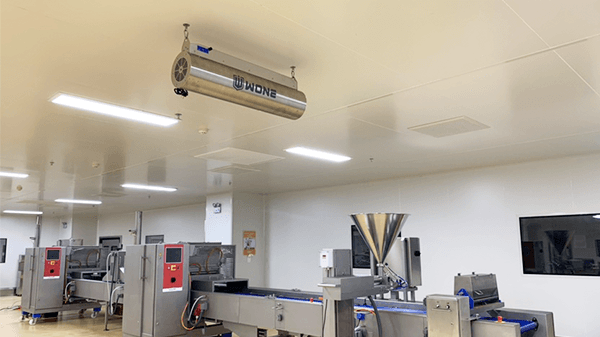
Some dairy facilities also use air disinfection equipment as an additional hygiene measure. Depending on the equipment design, UV-based systems or other air treatment technologies may help manage airborne contamination in selected areas.
However, air disinfection should not replace proper ventilation, filtration, surface cleaning or personnel hygiene. Factories should select equipment according to the room layout, occupancy, operating schedule and safety requirements.
For UV and ozone equipment, the factory must follow the manufacturer’s instructions and applicable occupational safety requirements. Ozone-generating functions should only operate under the conditions specified for the equipment and the facility’s safety procedures. Do not expose workers to ozone concentrations that exceed applicable limits.
Dairy factories can learn more about air disinfection equipment for food processing facilities.
Dairy Plant Hygiene Checklist for Packaging Rooms
A regular inspection helps dairy factories identify hygiene problems before they affect production.
Use the following checklist as a starting point and adapt it to the factory’s food safety plan.
| Area | Inspection points |
|---|---|
| Changing room | Separate outdoor clothing and workwear; keep lockers and benches clean |
| Personnel hygiene | Provide handwashing and disinfection facilities; check consumables |
| Hygiene entrance | Maintain hygiene equipment and follow entry procedures |
| Equipment cleaning | Follow cleaning schedules and chemical instructions |
| Cleaning area | Keep tools organized; manage wastewater and chemical storage |
| Packaging room | Keep surfaces clean and dry; control unnecessary personnel movement |
| Ventilation | Maintain filters and check airflow conditions |
| Humidity | Monitor temperature and humidity; inspect for condensation |
| Air disinfection | Follow equipment operating and safety instructions |
| Records | Keep cleaning, inspection and maintenance records |
Factories should assign responsibility for each inspection item. They should also record problems, corrective actions and follow-up checks.
Choosing Hygiene Equipment for Dairy Plants
Every dairy factory has a different production layout, workforce size and hygiene zoning plan. Therefore, equipment selection should start with the actual requirements of each area.
For example:
- Changing rooms: Lockers, clothing storage and suitable personnel hygiene facilities.
- Production entrances: Personnel hygiene stations that support hand and footwear hygiene procedures.
- Equipment cleaning areas: Cleaning systems suited to the factory’s equipment, cleaning chemicals and water supply.
- Packaging rooms: Air management and air disinfection equipment where the facility’s risk assessment identifies a need.
Before selecting equipment, factories should consider the number of employees, available installation space, utility connections, cleaning procedures and maintenance requirements.
A well-planned equipment layout can make daily hygiene work easier to organize. More importantly, it helps connect personnel hygiene, equipment sanitation and environmental control within one practical hygiene management plan.
Supporting Hygiene Management in Dairy Packaging Areas
Maintaining hygiene in a dairy packaging room requires a coordinated approach to personnel hygiene, equipment cleaning and air quality management. Each area needs suitable equipment and clear cleaning procedures.
WONE Clean manufactures hygiene equipment for food processing facilities, including personnel hygiene stations, industrial equipment cleaning systems and air disinfection equipment.
Whether you are setting up a new dairy production line or upgrading an existing facility, explore our hygiene equipment range or contact our team to discuss your project requirements.