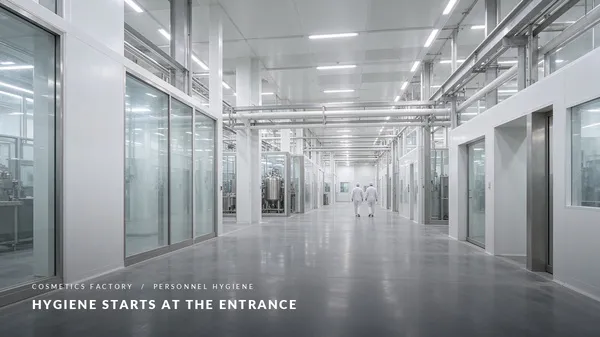
In a cosmetics factory, product quality does not depend only on the formulation, raw materials, or mixing process. Personnel hygiene and the condition of the production environment also play an important role.
Think about a typical skincare production line. Employees may handle water-based creams, lotions, facial cleansers, shampoos, and other personal care products. Some production processes involve open mixing tanks, temporary storage containers, pipelines, and filling equipment.
If employees enter the production area wearing contaminated work clothes, carrying personal belongings, or skipping hand hygiene procedures, they may introduce unwanted contamination into the working environment.
This is why cosmetics factory hygiene management should start before employees enter the production area.
So, what should a cosmetics manufacturer check at the personnel entrance? And what equipment should be installed to support daily hygiene procedures?
Let’s look at the actual process.
1. Understand the Hygiene Risks in Cosmetics Manufacturing
Cosmetics are often considered less sensitive than food products, but this does not mean their manufacturing environment can be neglected.
Different cosmetic products have different contamination risks.
For example:
- Facial creams and lotions: Water-based formulations may support microbial growth if preservation and manufacturing controls are inadequate.
- Shampoos and body washes: Water is often a major ingredient, making water quality and equipment sanitation important.
- Facial cleansers: Mixing, transferring, and filling operations require clean production equipment and controlled handling.
- Makeup products: Powders, pigments, and other ingredients may introduce dust or foreign particles during handling.
- Serums and liquid skincare products: Open containers and filling operations require appropriate protection against contamination.
There are three areas that deserve particular attention:
Personnel: Employees can introduce contamination through their hands, clothing, footwear, hair, and personal belongings.
Equipment and surfaces: Mixing tanks, transfer pipes, filling machines, utensils, and product-contact surfaces must be properly cleaned and maintained.
Production environment: Dust, poor housekeeping, unsuitable ventilation, and uncontrolled personnel movement can affect product cleanliness.
The FDA’s cosmetics GMP inspection guidance specifically identifies personnel cleanliness, equipment sanitation, raw material handling, water quality, ventilation, and production controls as important inspection areas.
For cosmetics manufacturers, hygiene is not just about asking employees to wash their hands. It requires a complete management process.
2. Before Entering the Workshop: 7 Hygiene Checks Every Factory Should Consider
A well-planned personnel entrance should guide employees through a clear sequence rather than allowing everyone to walk directly into the production area.
Here are seven practical checks.
Check 1: Store Personal Belongings in the Changing Room
Employees should not bring everyday personal belongings into production areas.
Mobile phones, handbags, outdoor jackets, personal shoes, and other items can carry dust and dirt from outside the factory.
A suitable changing room should provide:
- Separate storage for outdoor clothes and work clothes.
- Shoe lockers or designated footwear storage.
- Clean changing facilities.
- Enough storage space for employees.
- A clear separation between personal belongings and production clothing.
For factories with different hygiene requirements, the changing area can be divided into designated sections.
Recommended equipment: Stainless steel lockers, ABS lockers, shoe cabinets, and clothes racks.
The purpose is simple: keep outdoor belongings out of the production environment and give employees a clean place to change.
Check 2: Inspect Work Clothes Before Entering
Before entering the workshop, employees should check whether their protective clothing is clean and suitable for their duties.
A basic inspection should include:
- Is the work uniform clean and dry?
- Is the hair completely covered where required?
- Are the sleeves and clothing in good condition?
- Are protective garments worn correctly?
- Are there loose accessories or items that could fall into the product?
For production involving open cosmetic formulations, clothing control is particularly important.
Hair, fibres, dust, and other foreign particles can enter exposed products or contact surfaces.
Factories should establish clear clothing requirements according to the production process and contamination risk.
Check 3: Check Employee Health and Personal Cleanliness
Employees should pay attention to their personal condition before starting work.
Managers should establish procedures for reporting:
- Open wounds or uncovered cuts.
- Skin conditions that may affect product hygiene.
- Symptoms of illness that could compromise product quality.
- Any condition that makes direct product contact unsuitable.
Employees with open wounds or apparent illnesses should not be allowed to handle exposed products when there is a risk of contamination.
This does not mean every minor health condition requires exclusion from the entire factory. The restriction should be based on the actual risk and the company’s hygiene procedures.
Visitors and temporary workers should also receive hygiene instructions before entering controlled production areas.
Check 4: Wash and Disinfect Hands Correctly
This is one of the most important steps at a cosmetics factory entrance.
Employees may touch door handles, lockers, work clothes, tools, and other surfaces before starting production.
Even when hands look clean, they may still carry microorganisms.
A proper hand hygiene procedure should include:
- Wet hands with clean running water.
- Apply an appropriate handwashing soap.
- Rub palms, backs of hands, between fingers, fingertips, and thumbs.
- Rinse thoroughly.
- Apply an approved hand disinfectant when required by the factory’s procedure.
- Allow hands to dry properly before handling production materials.
The factory should provide suitable handwashing facilities with sufficient water supply, soap, and hygienic hand-drying arrangements.
Hand disinfection should not replace proper handwashing when hands are visibly dirty.
For production areas where hand hygiene is a controlled entry requirement, an automatic personnel hygiene station can help standardize the process.
Recommended equipment:
The equipment should be selected according to the number of employees, available entrance space, and required hygiene procedures.
Check 5: Check Shoes and Footwear Cleanliness
Footwear is another area that is often overlooked.
Employees walk through changing rooms, corridors, warehouses, and other areas before reaching the production workshop.
Dust, dirt, and other contaminants can be transferred on shoe soles.
Before entering a controlled production area, factories should establish a footwear management procedure.
Depending on the production requirements, this may include:
- Changing from outdoor shoes into dedicated work shoes.
- Keeping production footwear separate from outdoor footwear.
- Cleaning shoe soles before entering.
- Using footwear disinfection where required by the risk assessment.
A sole cleaning machine can help remove dirt from shoe soles before employees enter the production area.
For factories with higher hygiene requirements, footwear cleaning can be incorporated into a combined personnel hygiene entrance.
Recommended equipment: Shoe sole cleaning machines and integrated personnel hygiene stations.
The important point is to prevent outdoor footwear from becoming a direct route for bringing dirt into production areas.
Check 6: Confirm the Hygiene Entrance Is Working Properly
Installing hygiene equipment is not enough. The equipment itself must be maintained and checked.
Before the working shift begins, the responsible person should inspect:
| Inspection item | What to check |
|---|---|
| Handwashing station | Water supply and drainage are working |
| Soap dispenser | Sufficient soap and normal dispensing |
| Hand disinfection unit | Correct disinfectant and sufficient supply |
| Shoe sole cleaning machine | Brushes are clean and functioning |
| Disinfection equipment | Correct operating settings and maintenance status |
| Access control | Entry procedures are functioning properly |
For automatic equipment, factories should also check sensors, alarms, and other operating functions.
If a hygiene station is not working properly, employees may bypass the procedure or enter the workshop without completing the required steps.
Regular inspection and maintenance are therefore part of effective personnel hygiene management.
Check 7: Control the Production Environment Before Starting Work
Personnel hygiene is only one part of the process. The production environment also needs attention.
Before production starts, supervisors should check:
- Are floors, walls, and work surfaces clean?
- Are production machines and product-contact surfaces properly cleaned?
- Are mixing tanks and transfer pipelines in the required sanitary condition?
- Is the production area free from unnecessary dust and waste?
- Is ventilation operating normally?
- Are doors and access points properly managed?
- Are cleaning and sanitation records completed?
For water-based cosmetics, the quality of process water deserves particular attention.
Water used as an ingredient should be monitored according to established chemical and microbiological specifications. Water systems should also have documented cleaning and sanitization procedures.
Air disinfection equipment may be considered where the production risk assessment identifies a need for additional environmental microbial control.
However, it should be treated as a supplementary measure. It does not replace proper ventilation, equipment cleaning, surface sanitation, or personnel hygiene.
3. How Should a Cosmetics Factory Arrange Its Personnel Hygiene Entrance?
A common mistake is to install handwashing equipment wherever there is available space.
A better approach is to plan the entrance according to the actual movement of employees.
For example, a typical personnel hygiene route could be:
Outside Area → Changing Room → Work Clothes Inspection → Handwashing → Hand Disinfection → Footwear Cleaning → Access Control → Production Area
The exact sequence may vary depending on the building layout and the factory’s hygiene requirements.
Here is a practical example of how the equipment can be arranged.
| Area | Main function | Suggested equipment |
|---|---|---|
| Changing room | Separate personal belongings and work clothes | Stainless steel lockers, ABS lockers, clothes racks |
| Hand hygiene area | Standardize handwashing | Automatic handwashing stations |
| Disinfection area | Apply hand disinfection procedures | Hand disinfection equipment |
| Footwear hygiene area | Remove dirt from shoe soles | Shoe sole cleaning machines |
| Entrance control | Manage access to production | Access control and integrated hygiene stations |
| Production environment | Supplement environmental hygiene where necessary | Air disinfection equipment |
For factories with limited entrance space, some functions can be integrated into a combined personnel hygiene station.
For larger facilities, separate hygiene zones may be more practical, especially when different production departments have different hygiene requirements.
The key is to create a one-way personnel flow and prevent employees from returning from dirty areas to clean areas without repeating the required hygiene procedures.
4. What Hygiene Equipment Does a Cosmetics Factory Actually Need?
Not every cosmetics factory needs the same equipment.
A factory producing basic liquid soap may have different requirements from a manufacturer producing facial creams, skincare serums, or products with more demanding microbial control requirements.
The equipment should be selected according to the production process, employee numbers, workshop layout, and hygiene risk assessment.
Here are the main equipment categories worth considering.
Personnel Hygiene Stations
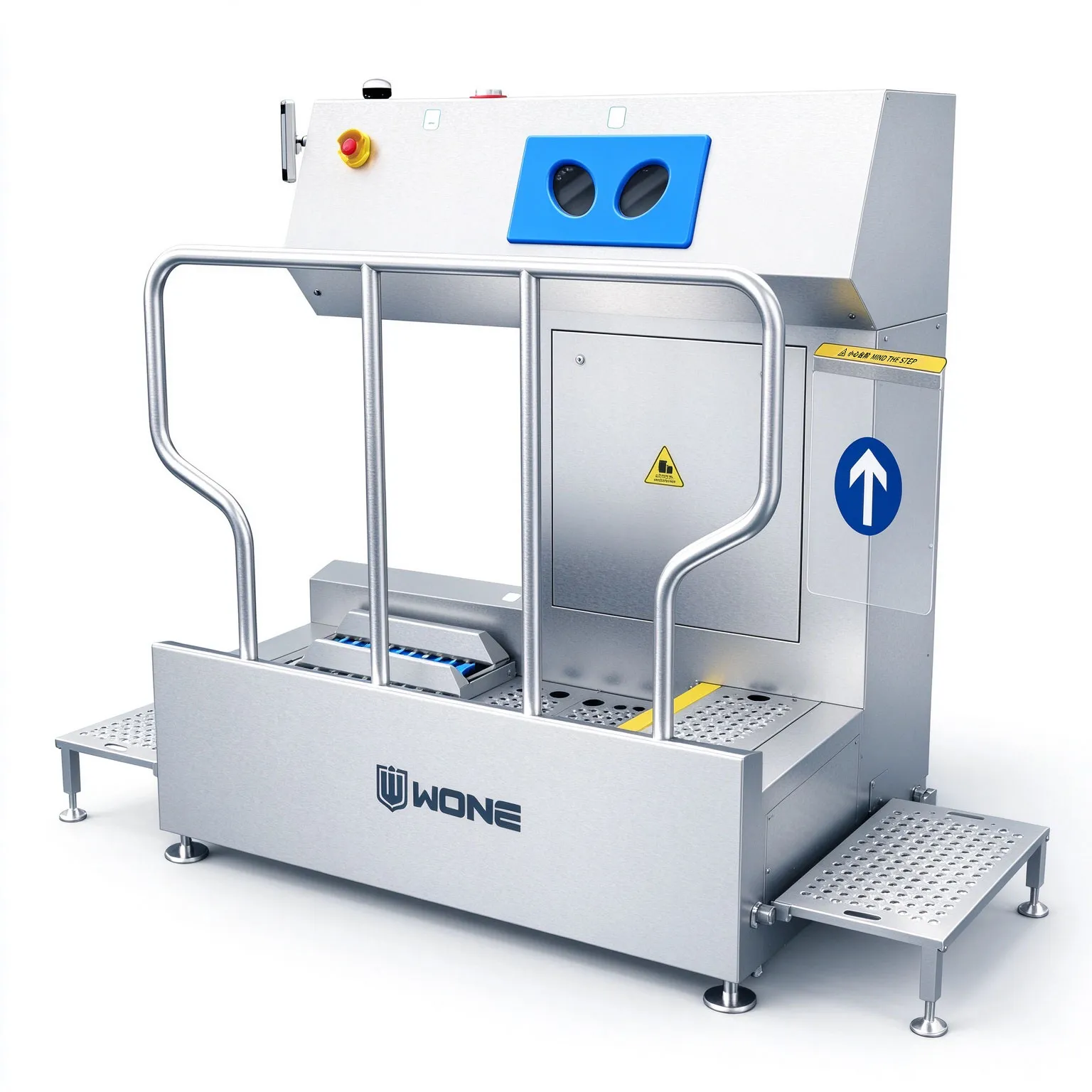
Personnel hygiene stations combine several hygiene functions, such as handwashing, hand disinfection, and footwear cleaning, depending on the model.
They are suitable for controlled entrances where employees must complete specific hygiene procedures before entering production.
For factories with multiple employees entering at the same time, multi-person hygiene stations can help reduce waiting and improve entry efficiency.
Stainless Steel and ABS Lockers
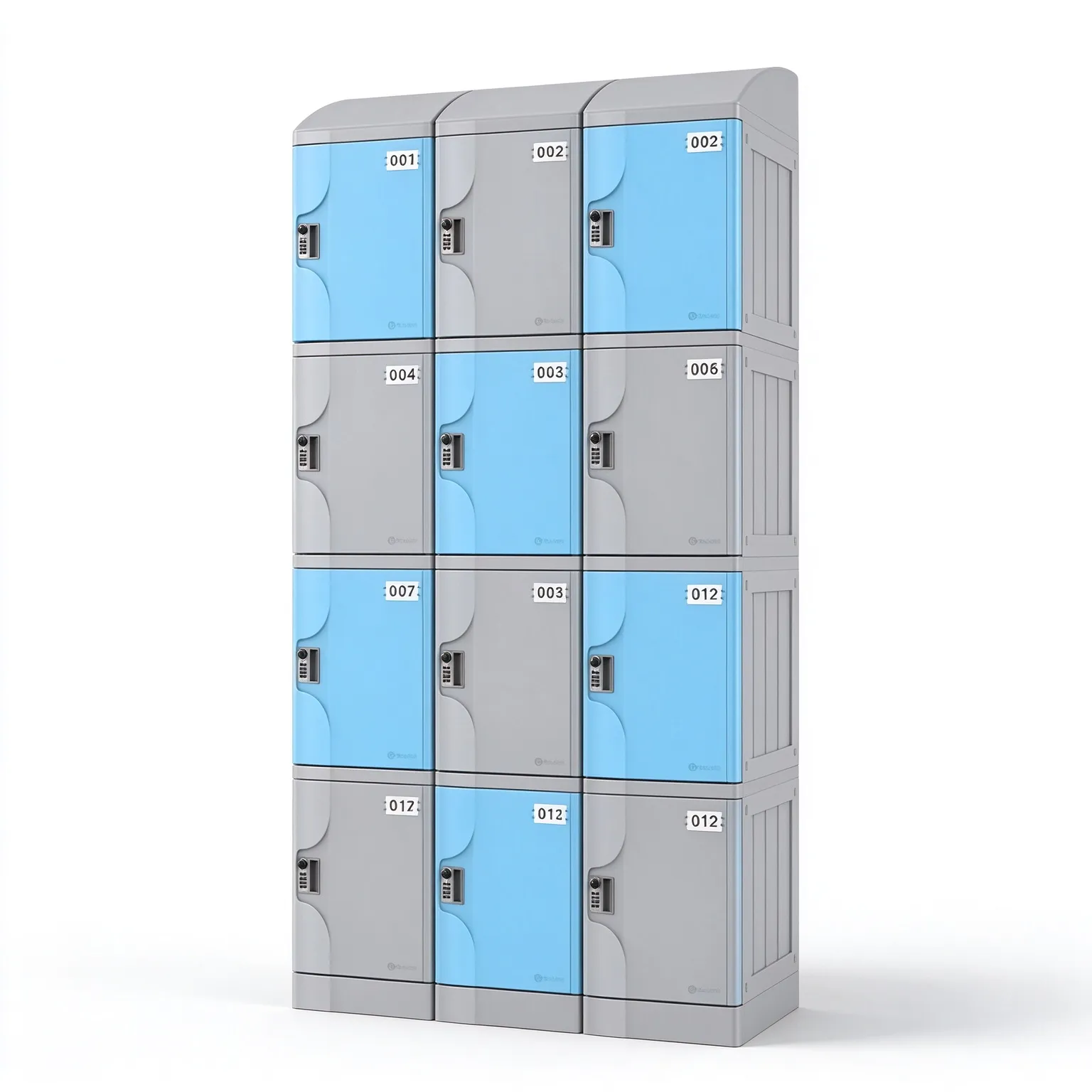
Lockers provide designated storage for personal belongings, outdoor clothing, and work clothes.
Stainless steel lockers are suitable for areas requiring durable, easy-to-clean storage equipment.
ABS lockers can also be considered in changing rooms where moisture resistance and easy maintenance are important.
Handwashing Equipment
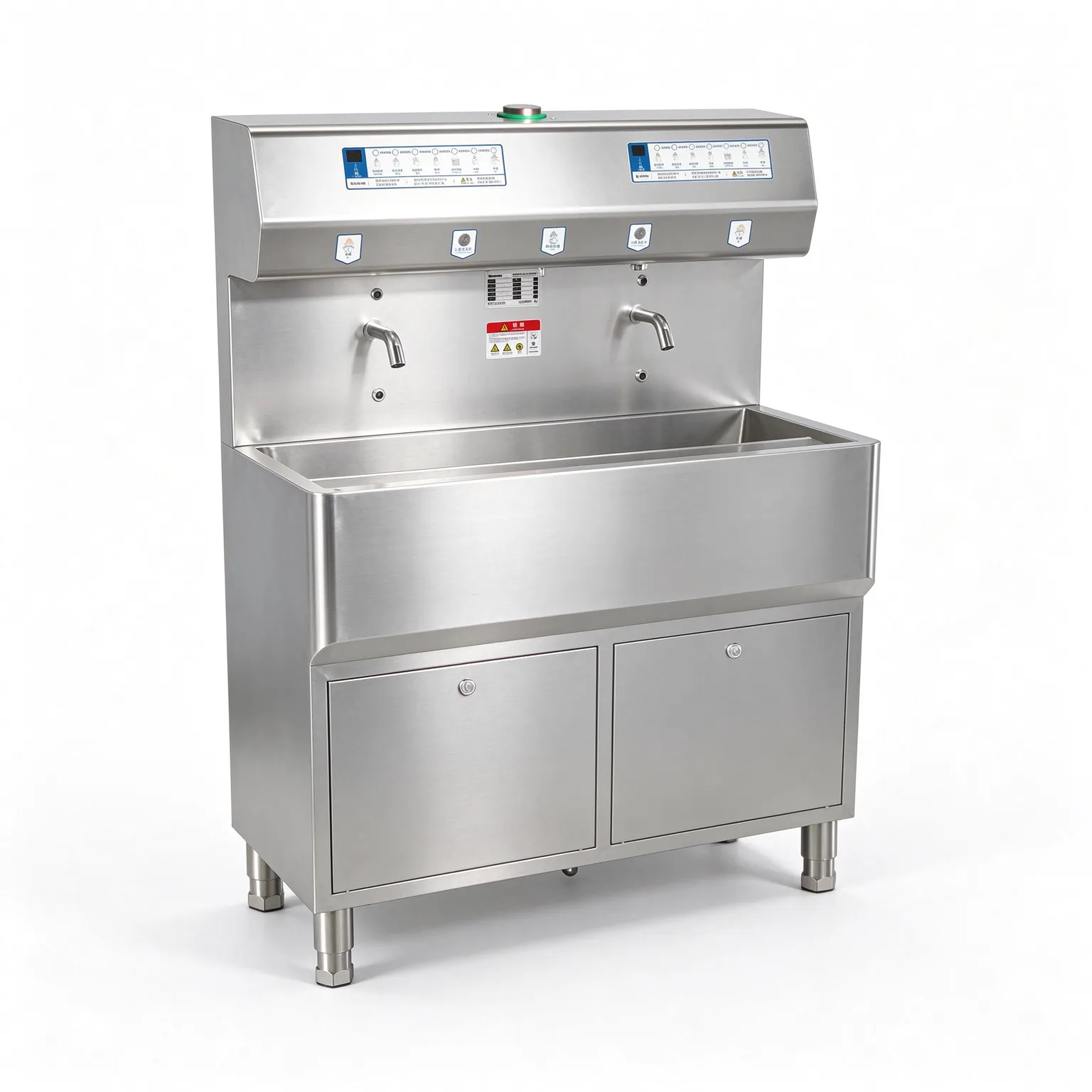
Automatic handwashing stations help employees follow a consistent handwashing process.
They can be installed at workshop entrances or inside designated production areas, depending on the factory’s layout.
For facilities with a large workforce, the number of washing positions should be considered carefully to avoid queues during shift changes.
Air Disinfection Equipment

Some cosmetics production areas may require additional control of airborne microorganisms.
Air disinfection equipment can be considered as part of an overall environmental hygiene strategy, particularly where open products or specific production conditions create additional contamination concerns.
The selection should consider room size, operating conditions, equipment technology, and employee occupancy.
It is important to choose a system suitable for the intended operating environment rather than installing equipment simply because it is available.
5. What Should Factory Managers Check When Planning a New Hygiene Entrance?
If you are building a new cosmetics factory or upgrading an existing production facility, it is better to consider hygiene equipment before finalizing the workshop layout.
Start with these five questions:
1. How many employees enter the workshop during each shift?
This determines the number of washing positions and the capacity of the personnel hygiene entrance.
2. How many production entrances are there?
A factory with several independent production areas may need separate hygiene entrances.
3. What types of cosmetic products are manufactured?
Creams, lotions, shampoos, liquid cleansers, and powder-based products may have different contamination risks.
4. What hygiene level is required in each production area?
The entrance requirements should match the actual production process rather than applying the same equipment configuration everywhere.
5. How much space is available for the hygiene process?
The layout should allow employees to change clothes, wash their hands, clean footwear, and enter the production area without crossing unnecessary traffic routes.
Planning these details in advance can help avoid unnecessary equipment purchases and costly changes after the workshop is already operating.
6. Cosmetics GMP: What Do the Standards Say?
Cosmetics manufacturers should pay particular attention to ISO 22716 and applicable cosmetics GMP requirements in their target markets.
ISO 22716:2007 provides guidelines covering the production, control, storage, and shipment of cosmetic products.
Its personnel hygiene provisions address:
- Establishing hygiene programmes.
- Training employees to use handwashing facilities.
- Wearing appropriate clothing and protective garments.
- Preventing unhygienic practices in production areas.
- Managing employees with illnesses or open wounds.
- Providing hygiene instructions and supervision for visitors.
The ASEAN Cosmetic GMP Guidelines also address employee washing facilities, lockers, equipment cleanliness, and the proper handling of production materials.
The FDA’s cosmetics GMP inspection checklist covers personnel, buildings, equipment, raw materials, production, laboratory controls, and records.
These standards make one point clear: cosmetics manufacturing hygiene must be managed as a complete system, not as an isolated handwashing activity.
Conclusion: Good Cosmetics Manufacturing Hygiene Starts at the Entrance
A clean production workshop begins before the production process starts.
Employees need a clear changing procedure, clean work clothes, proper handwashing, suitable footwear management, and controlled access to production areas.
At the same time, factory managers need to check equipment condition, cleaning records, water quality, and the production environment.
For cosmetics manufacturers planning a new workshop or upgrading an existing facility, a properly designed personnel hygiene entrance can make daily hygiene procedures easier to follow and manage.
WONE Clean provides personnel hygiene stations, handwashing equipment, equipment cleaning systems, and air disinfection equipment for industrial hygiene applications.
As a manufacturer, we can help assess your workshop entrance, employee flow, and equipment requirements before you select a suitable hygiene solution.
Contact our team to discuss your cosmetics factory hygiene layout.