Meat Processing Hygiene Equipment for High-Risk Production Areas
How This Hygiene Station Improves Compliance
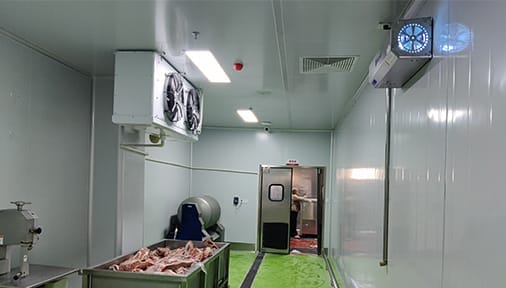
Meat processing facilities operate in high-risk environments where contamination can occur easily due to blood residue, fat deposits, tissue fragments, humidity, and floor buildup. These conditions greatly increase bacterial growth and highlight the need for meat processing hygiene equipment to maintain food safety and stability during production.
Moreover, heavy soil on floors and footwear remains one of the most persistent hygiene challenges. Employees may unintentionally transfer debris and microorganisms from dirty areas into cutting, deboning, packaging, or chilling zones. Consequently, contamination risks, audit failures, and product recalls increase. Since manual cleaning is inconsistent, automated meat processing hygiene equipment ensures stable, repeatable, and HACCP-compliant results throughout the workflow.
Through proper use of meat processing hygiene equipment, facilities can significantly reduce cross-contamination caused by footwear, hands, and surface contact.
Why Your Food Plant Needs a Hygiene Station
(personnel hygiene flow, slaughterhouse workflow, hygiene procedures, hygiene stations, entry hygiene, footwear sanitation, hand hygiene system — suitable for slaughterhouses, cutting rooms, and deboning lines)
Step 1 — Entry → Changing Room
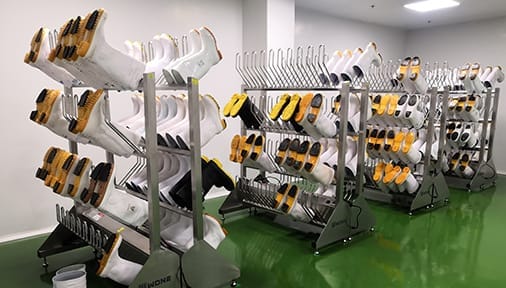
Step 2 — Heavy-Soil Boot Cleaning Zone
Footwear carries the highest load of organic contaminants.
Use the 61E Heavy-Duty Boot Washer as part of your meat processing hygiene equipment lineup for:
Automatic cleaning of soles and sides
Removal of blood, tissue, and fat residues
Consistent and audit-ready cleaning results
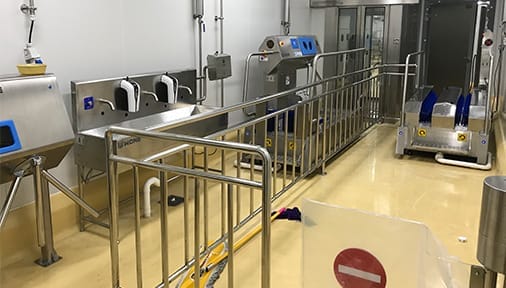
Step 3 — Hand Washing & Sanitizing
Step 4 — Access Control (Hygiene Gate)
HACCP, GMP, and ISO22000 Requirements
Best Hygiene Station for Food Processing Plants
Key CCPs related to meat processing hygiene equipment include:
Footwear hygiene (controls pathogen transfer)
Hand hygiene (critical for cutting & deboning)
Zoning between dirty/clean areas
Equipment sanitization
Temperature control
GMP Requirements
ISO22000 Requirements
Documented hygiene procedures
Verification of hygiene steps
Reduced dependence on manual practices
Critical Control Points (CCPs) in Meat Processing Hygiene
CCP 1 — Footwear Contamination
Footwear is the largest cross-contamination vector in slaughterhouses.
→ Automated boot washers such as 61E help strengthen your meat processing hygiene equipment system and reduce microbial transfer.
CCP 2 — Hand Hygiene
Hands transfer microorganisms directly onto meat surfaces.
→ Automatic hand washing prevents inconsistent cleaning.
CCP 3 — Zoning & Access Control
Turnstiles and hygiene gates ensure compliance and prevent skipping steps.
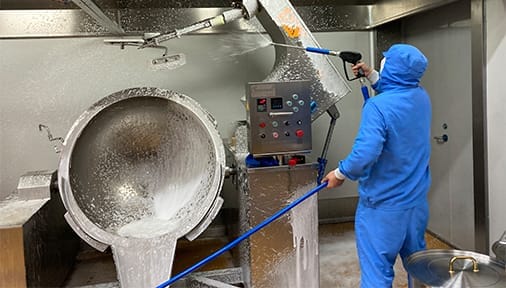
CCP 4 — Equipment Contact Surfaces
Knives, tables, conveyors, and chillers require routine and verifiable sanitation.
Process Flow Diagram
Dirty Zone → Pre-wash Area → Boot Cleaning (61E) → Hand Washing → Hand Sanitizing → Access Control Gate → Cutting Room → Packaging Line → Cold Storage
Conclusion
A reliable hygiene system is essential for preventing contamination, meeting regulatory requirements, and protecting product quality. Automated meat processing hygiene equipment—including heavy-duty boot washers, hand hygiene systems, and access control gates—improves compliance and reduces operational risk. In high-risk production environments, these automated systems form the foundation of consistent, safe, and efficient meat processing.
External References (for further reading)
To help you better understand global food safety standards, here are authoritative resources:
FAO – Food Safety:
https://www.fao.org/food-safety
ISO 22000 – Food Safety Management:
https://www.iso.org/iso-22000-food-safety-management
WHO – Food Safety:
https://www.who.int/foodsafety
These external links provide additional background on food safety management and international hygiene standards.