In the food processing industry, employees play a critical role in maintaining food safety. Even with advanced production equipment and strict cleaning procedures, poor employee hygiene practices can become a major source of contamination.
Effective employee hygiene management helps food manufacturers control contamination risks, improve product safety, and maintain compliance with international food safety standards.
A complete food processing plant hygiene system should focus not only on equipment cleaning but also on controlling personnel movement, hand hygiene, footwear sanitation, and employee hygiene behavior.
Why Employee Hygiene Management Is Important in Food Processing
Food products are highly sensitive to microbial contamination during processing, packaging, and handling. Employees may unintentionally transfer contaminants through:
- Unwashed hands
- Contaminated gloves
- Dirty footwear
- Improper protective clothing
- Contact with contaminated surfaces
According to food safety management principles, employees are one of the most important control points in preventing contamination inside production areas.
Proper personnel hygiene in food industry operations can help reduce:
✓ Cross-contamination between production areas
✓ Bacterial transfer to food products
✓ Food safety risks
✓ Failed hygiene audits
Common Employee Hygiene Challenges in Food Factories
1. Improper Hand Hygiene Practices
Hands are one of the most common sources of contamination in food production.
Common problems include:
- Employees not washing hands correctly
- Insufficient hand disinfection
- Touching equipment after handling raw materials
- Inconsistent hygiene procedures
A standardized hand hygiene process ensures every employee follows the same cleaning requirements before entering production areas.
2. Contamination Through Footwear
Workers’ boots can carry bacteria, dirt, and organic residues from different factory zones.
Without proper footwear cleaning, contaminants can spread from:
- External areas
- Changing rooms
- Storage areas
- Raw material zones
to high-care production areas.
Installing professional footwear cleaning equipment helps improve contamination prevention and reduces risks caused by employee movement.
3. Lack of Hygiene Control at Production Entrances
Many food factories focus heavily on production cleaning but overlook employee entry control.
A production entrance should act as a hygiene barrier by controlling:
- Hand washing
- Hand disinfection
- Footwear cleaning
- Employee access
This creates a safer transition between non-production and clean production areas.
Effective Ways to Improve Food Factory Hygiene
1. Establish a Complete Employee Hygiene Procedure
A strong food factory hygiene program should include clear employee requirements:
Before Entering Production Areas:
✔ Wear clean protective clothing
✔ Wash and disinfect hands
✔ Clean and sanitize footwear
✔ Follow hygiene access procedures
During Production:
✔ Avoid unnecessary contact with food products
✔ Maintain clean working habits
✔ Follow personal hygiene rules
After Production:
✔ Clean tools and work areas
✔ Follow sanitation procedures
Standardized procedures help employees understand their responsibilities and improve hygiene compliance.
2. Install Professional Personnel Hygiene Equipment
Modern food factories use automatic hygiene equipment to improve employee compliance and reduce human errors.
Important personnel hygiene equipment includes:
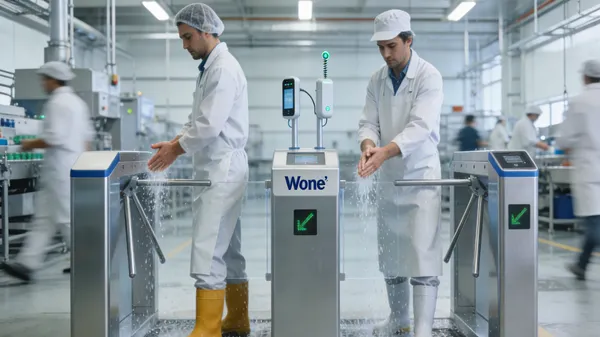
Hand Hygiene Stations
Hand hygiene stations provide an automatic process for:
- Hand washing
- Soap dispensing
- Hand drying
- Hand disinfection
They help ensure employees complete proper hand cleaning before entering production areas.
Boot Washers
Boot washers remove dirt, meat residues, grease, and microorganisms from safety footwear.
They are commonly used in:
- Meat processing plants
- Poultry factories
- Seafood processing facilities
- Dairy production areas
Regular footwear cleaning improves overall factory hygiene and supports contamination control.
Hygiene Stations
A complete hygiene station combines multiple functions:
- Hand cleaning
- Hand disinfection
- Shoe sole cleaning
- Access control
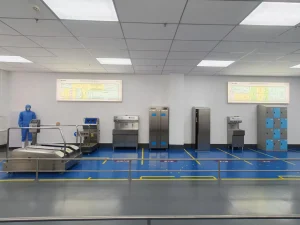
By placing hygiene stations at production entrances, factories can create a controlled hygiene barrier for employees.
3. Improve Hygiene Compliance Through Automation
One challenge in food factories is ensuring employees consistently follow hygiene procedures.
Manual supervision can be difficult, especially in large facilities with many workers.
Automatic hygiene equipment helps by:
- Standardizing cleaning procedures
- Reducing employee mistakes
- Improving hygiene monitoring
- Saving management time
Better automation leads to higher hygiene compliance and more reliable food safety control.
The Role of Employee Hygiene in Contamination Prevention
Effective contamination prevention requires multiple protection steps.
A typical employee hygiene control process:
Step 1: Employee Preparation
Workers change into protective clothing and prepare for production.
↓
Step 2: Hand Cleaning
Employees wash and disinfect hands using professional hygiene equipment.
↓
Step 3: Footwear Cleaning
Boots are cleaned and sanitized before entering production zones.
↓
Step 4: Production Entry Control
Employees enter clean production areas through controlled hygiene points.
↓
Step 5: Safe Food Production
Reduced contamination risks improve overall food safety.
How Food Processing Plants Can Build Better Hygiene Systems
A successful hygiene management system should combine:
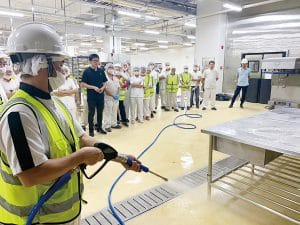
Employee Training
Employees should understand:
- Why hygiene matters
- Correct washing procedures
- Contamination risks
- Food safety responsibilities
Proper Hygiene Equipment
Factories should select equipment based on:
- Production size
- Hygiene requirements
- Factory layout
- Risk level
Regular Monitoring
Management should regularly check:
- Hygiene procedure compliance
- Equipment performance
- Cleaning effectiveness
- Employee behavior
Industries That Need Strong Employee Hygiene Management
Professional employee hygiene systems are widely used in:
Meat Processing Plants
Prevent contamination during cutting, processing, and packaging.
Seafood Processing Facilities
Control hygiene risks in wet production environments.
Dairy Factories
Maintain strict hygiene standards during milk processing.
Bakeries
Reduce contamination risks during food handling.
Central Kitchens
Manage hygiene control for large numbers of employees.
Conclusion
Effective employee hygiene management is essential for modern food processing plants. Employees are a key factor in maintaining safe production environments and preventing contamination.
By implementing proper hygiene procedures and using professional personnel hygiene equipment such as hand hygiene stations, boot washers, and hygiene stations, food manufacturers can improve food processing plant hygiene, increase hygiene compliance, and protect product quality.
A strong employee hygiene system is not only a requirement for food safety standards — it is also an important investment in the long-term success of any food manufacturing business.