Food Safety Incidents: Immediate and Long-Term Threats
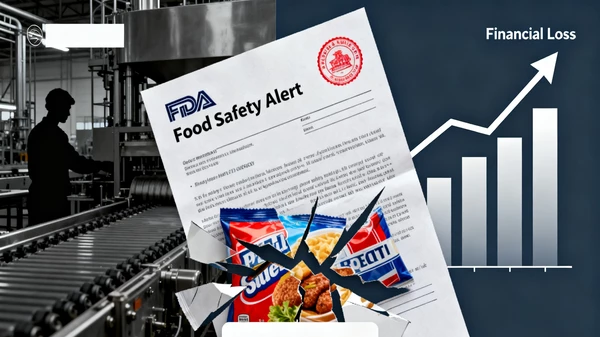
In 2023, a major U.S. deli meat manufacturer faced a nationwide recall of over 50,000 pounds of ready-to-eat products due to Listeria contamination. Consumer complaints triggered an FDA inspection and immediate product withdrawal from supermarkets. The recall caused direct financial losses exceeding $1.2 million, Food safety incidents plus additional costs for logistics, inspection, and compensation. Beyond immediate losses, brand trust suffered: retail chains temporarily removed the company’s products, and consumer confidence dropped sharply.
For medium-sized factories, a similar contamination incident can wipe out months of revenue, trigger regulatory scrutiny, and threaten long-term supplier contracts.
Immediate Economic Losses from Food Safety Incidents
Food safety incidents hit the bottom line immediately. Typical impacts include:
-
Destroyed inventory: Contaminated batches cannot be sold.
-
Fines and regulatory penalties: Violations of FDA or local food safety standards.
-
Production downtime: Facilities halt operations for sanitation and investigation.
A 2022 FDA analysis found that companies experiencing recalls lost an average of 10–20% of annual revenue in the immediate aftermath.
Real-World European Case: Salmonella in Yogurt
In 2022, a medium-sized dairy processing plant in Europe reported Salmonella contamination in yogurt products, leading to a $350,000 loss in inventory, regulatory fines, and a temporary halt in exports to three countries. By upgrading staff hygiene and equipment sanitation protocols, the plant reduced contamination risk by over 70% within six months, highlighting the tangible benefits of proactive hygiene systems.
Long-Term Reputation Damage
The consequences extend beyond immediate costs:
-
Loss of customer trust: Retailers cancel contracts or reduce orders.
-
Brand devaluation: Negative media coverage spreads rapidly.
-
Supplier relationship strains: Partners may impose stricter requirements or terminate agreements.
In the U.S. deli meat recall case, brand perception in key markets took over a year to recover, even after corrective actions.
Chain Reactions Across the Supply Chain
Food safety incidents ripple through the supply chain:
-
Distributors face handling and disposal costs.
-
Retailers deal with stock shortages and reputational risks.
-
Consumers may file complaints or seek compensation.
These cascading effects amplify the economic and reputational damage far beyond the initial factory.
Preventive Measures and Actionable Recommendations
Factories can mitigate financial and reputational risks by implementing:
-
Strict Compliance with Standards: GMP, HACCP, and ISO 22000 adherence ensures regulatory alignment.
-
Transparent Supply Chain Management: Track ingredients, processing, and storage to minimize contamination risk.
-
Crisis Communication Plans: Prepare for incidents with clear internal and external messaging protocols.
-
Investment in Hygiene and Sanitation Systems: Automated hand disinfection and footwear cleaning reduce microbial transmission.
-
Regular Audits and Staff Training: Continuous monitoring and workforce education prevent lapses.
Comprehensive Food Safety Resources
HACCP Guidelines for Safe Food Production
Conclusion
Food safety incidents are both economic and reputational threats that can impact revenue, brand value, and supply chain stability. Proactive prevention, hygiene investment, and transparent protocols are essential to protect both the company and its customers.