Effective cross contamination control is one of the most important requirements in modern food processing facilities.
According to the U.S. Food and Drug Administration (FDA), contaminated food causes approximately 48 million illnesses annually in the United States alone . A large portion of these incidents are linked to poor hygiene separation and cross-contamination in processing environments.
For high-risk zones such as meat, bakery, and ready-to-eat production, the challenge is not only cleaning—but keeping clean areas continuously protected.
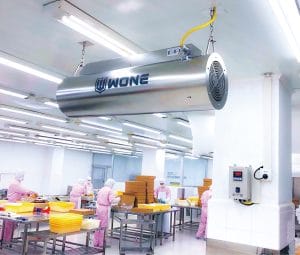
This is where proper systems, workflow design, and modern sanitation tools like Food Safety Equipment, sole cleaning machines, and structured sanitation equipment for food plants become essential.
1. Understanding Where Cross-Contamination Starts
Most contamination does not come from raw ingredients alone—it comes from movement:
- Foot traffic between zones
- Shared cleaning tools
- Improper hand hygiene
- Equipment transfer between “dirty” and “clean” areas
A study from the CDC shows that hand hygiene compliance in industrial environments often falls below 50% without automation or monitoring systems .
That means half of contamination risks are human-behavior related—not product related.
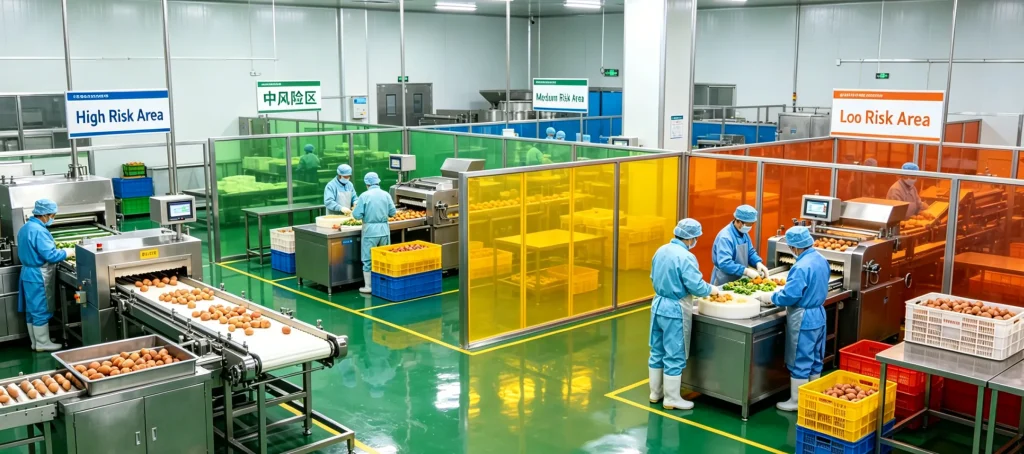
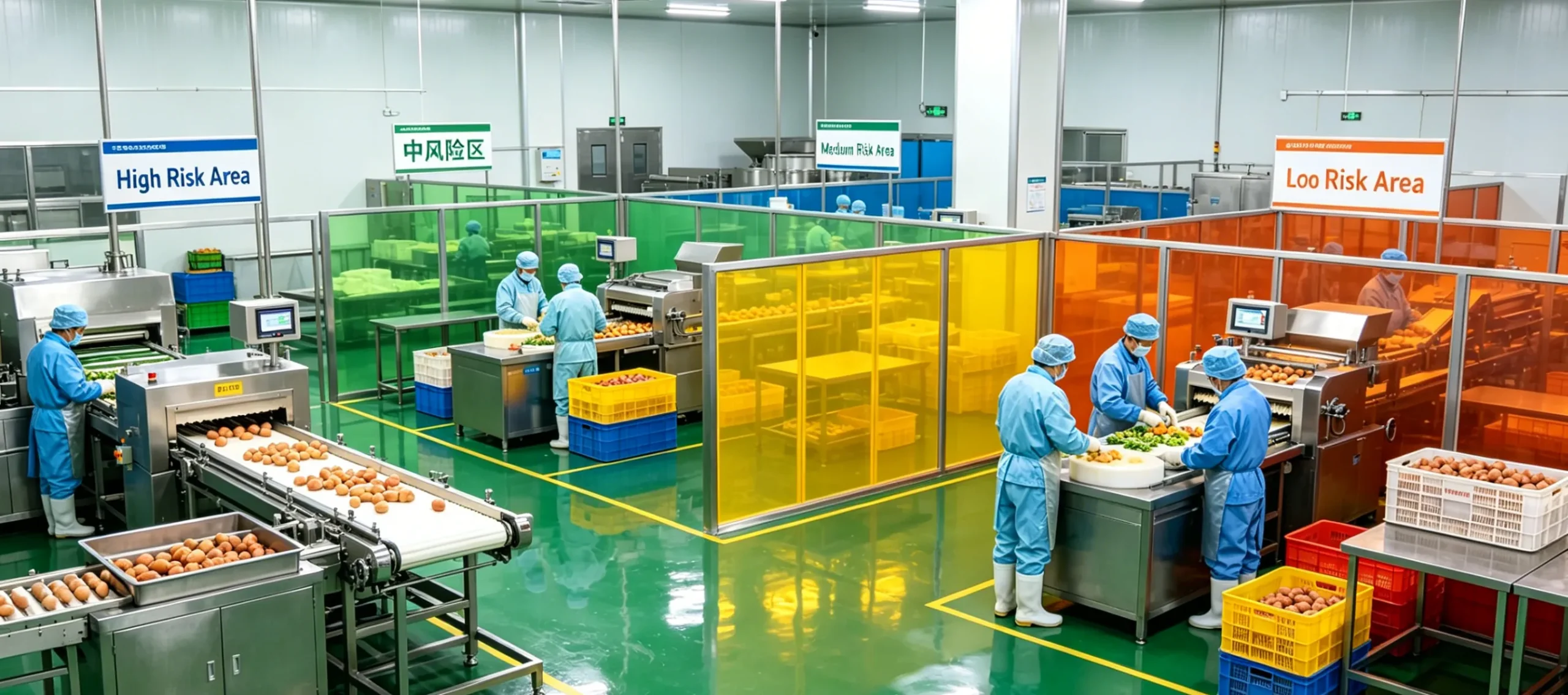
2. Core Principle: Separation of Hygiene Zones
A modern food plant should operate on a zoned hygiene system:
| Zone | Risk Level | Control Requirement |
|---|---|---|
| Raw Material Area | High | PPE + strict entry control |
| Processing Area | Very High | Hand + boot sanitation |
| Packaging Area | Critical | Full hygiene barrier |
| Cold Storage | Medium | Controlled access |
The key rule is simple:
Once a worker enters a higher-risk zone, they should not bring contamination from any lower-risk zone back in.
3. The Hygiene Entry Process
Hygiene Entry Flow (Best Practice)
1. Dirty Zone Entry Point
        ↓
2. Boot Cleaning (sole cleaning machine)
        ↓
3. Hand Washing
        ↓
4. Hand Disinfection (Hospital Hand Hygiene level)
        ↓
5. PPE Check (gloves, apron, hairnet)
        ↓
6. Sanitized Entry into Processing Area
When automated systems are used, compliance improves significantly because steps are physically enforced rather than optional.
4. Why Sole Cleaning Machines Matter More Than People Think
Footwear is one of the most underestimated contamination carriers in food plants.
Research shows that shoe soles can carry up to 421,000 bacteria per square centimeter in industrial environments (varies by surface conditions and humidity).
A properly designed sole cleaning machine:
- Removes organic residue from soles
- Prevents transfer between zones
- Reduces dependency on manual scrubbing
- Standardizes hygiene entry time
In large facilities, this alone can reduce floor-based contamination incidents by 30–60% when combined with controlled zoning.
5. Hand Hygiene: From Basic Washing to Hospital-Level Control
Food processing hygiene should follow standards similar to healthcare environments.
That is why many plants now adopt Hospital Hand Hygiene systems:
- Automatic soap dispensers
- Touch-free water flow
- Alcohol-based sanitizer stations
- Controlled drying systems
According to WHO guidelines, proper handwashing reduces microbial contamination risk by up to 50% or more in controlled environments .
In food plants, this is even more critical because workers handle both raw and ready-to-eat products.
6. Equipment Strategy: The Role of Modern Food Safety Systems
To achieve stable zero cross-contamination control, plants need integrated systems—not isolated tools.
Key categories include:
Food Safety Equipment
- Hygiene stations
- Entry control systems
- Monitoring sensors
Sanitation Equipment for Food Plants
- Foam cleaning systems
- High-pressure washers
- Floor disinfection units
- Drain cleaning systems
Compact Hygiene Machines
Space-saving systems are becoming popular in:
- Small food factories
- Central kitchens
- Export packaging facilities
A well-designed compact machine can combine:
- Hand wash
- Drying
- Sanitization
- Access control
This reduces installation cost and increases compliance.
7. Labor Cost Reality: Why Automation Is Not Optional
In many food factories:
- Cleaning staff = 15–25% of total operational labor
- Rework due to contamination = 2–5% product loss
- Downtime from hygiene failures = unpredictable but expensive
A typical mid-size plant (200–500 workers) can spend:
| Category | Annual Cost Impact |
|---|---|
| Manual cleaning labor | $120,000 – $300,000 |
| Contamination losses | $80,000 – $500,000 |
| Downtime incidents | Highly variable |
Automation such as sole cleaning machines + integrated sanitation stations can reduce cleaning labor dependency by 20–40%, depending on plant layout.
8. Why Many U.S. Plants Standardize Equipment Early
Many buyers search for USA Cleaning Equipment Suppliers because U.S. standards (FDA, USDA, FSIS) influence global export requirements.
Common expectations include:
- Easy-to-clean stainless steel structures
- HACCP-compatible design
- Traceable hygiene systems
- Minimal manual contact points
Reference standards:
- FDA Food Code: https://www.fda.gov/food/fda-food-code
- USDA FSIS guidelines: https://www.fsis.usda.gov/food-safety
Even plants outside the U.S. often design systems based on these frameworks.
9. Practical Checklist for Zero Cross-Contamination
Before production starts each day, a high-risk zone should verify:
- Sole cleaning machine operational
- Hand hygiene stations stocked
- Entry/exit zones separated
- Cleaning logs completed
- PPE compliance checked
- Drain and floor sanitation completed
Consistency matters more than complexity.
Conclusion
Zero cross-contamination is not achieved by one product or one machine—it is achieved by a system of controlled movement, enforced hygiene steps, and reliable sanitation equipment for food plants.
When combined properly:
- Food Safety Equipment ensures structural control
- Sole cleaning machine blocks floor contamination pathways
- Hospital Hand Hygiene systems protect direct contact risks
- Compact machine solutions improve compliance in limited space
- Reliable global suppliers, including USA Cleaning Equipment Suppliers, set performance benchmarks
At Woneclean, we focus on helping food factories turn hygiene from a manual task into a repeatable, measurable system—because in high-risk processing areas, consistency is the only real safety standard.
Long-term cross contamination control requires consistent hygiene procedures, proper sanitation equipment, and automated cleaning systems.