Seafood processing plants handle raw fish, shrimp, shellfish and other seafood products every day. During processing, bacteria, seafood residue, dirty water and other contaminants can spread between different areas if hygiene procedures are not properly managed.
Cross-contamination is a serious concern because seafood is highly perishable, and contamination can affect product safety, shelf life and overall production hygiene.
Understanding where cross-contamination happens is the first step toward preventing it.
1. Common Sources of Cross-Contamination
Employees Moving Between Processing Areas
Workers may move from raw seafood handling areas to other production zones during their shifts. If their hands, boots or protective clothing are not properly cleaned, contaminants can spread with them.
Handwashing and footwear cleaning stations at production entrances help reduce the risk of transferring contamination between areas.
Seafood Residue on Equipment and Floors
Fish scales, blood, slime, fat and small pieces of seafood can remain on processing equipment, worktables and floors.
If these residues are not removed properly, they can become sources of contamination. Regular cleaning with suitable detergents and disinfection procedures helps keep equipment and production areas hygienic.
Dirty Boots and Foot Traffic
Floors in seafood processing plants are often wet and may contain fish residue, organic matter and contaminated water.
Workers walking between different areas can carry these contaminants on their boot soles. Automatic sole cleaning machines and suitable boot washing equipment can help remove dirt before employees enter cleaner production zones.
Poor Separation Between Raw and Finished Products
Raw seafood and ready-to-pack products require appropriate separation. Shared equipment, personnel movement and poorly managed cleaning procedures can increase the risk of cross-contamination.
Factories should establish clear production zones, control movement between areas and ensure that equipment is cleaned according to the requirements of each process.
2. How to Reduce Cross-Contamination Risks
Preventing cross-contamination requires more than cleaning the production floor. It involves personnel hygiene, equipment cleaning and effective factory management.
Improve personnel hygiene at entrances
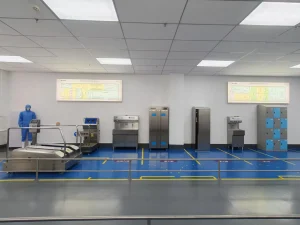
Install suitable handwashing, hand disinfection and footwear cleaning equipment at key entry points. Make sure employees follow the required hygiene procedures before entering production areas.
Use the right equipment for seafood residue
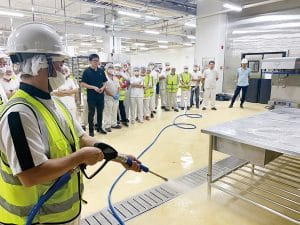
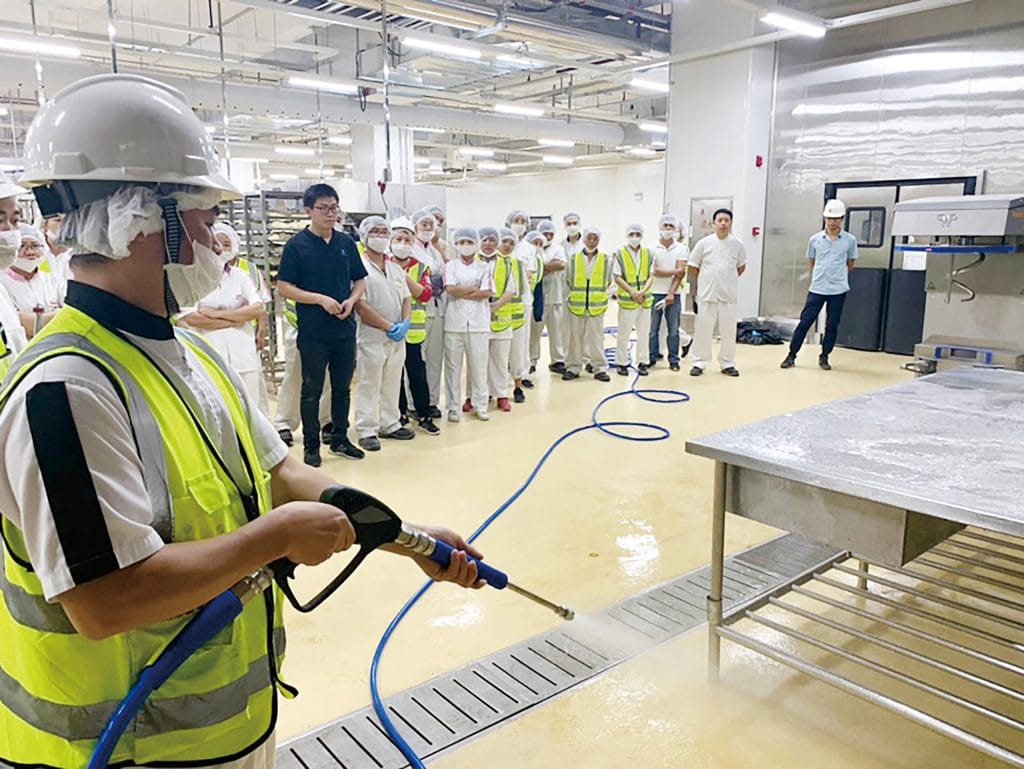
Select cleaning equipment according to the type of contamination, water supply, drainage conditions and production volume. High-pressure foam cleaning systems can help apply cleaning chemicals evenly to suitable surfaces, while appropriate rinsing and disinfection procedures help complete the cleaning process.
Separate cleaning tools and production zones
Use designated cleaning tools for different areas. Separate raw seafood handling areas from cleaner processing and packaging zones, and avoid moving dirty equipment between them without proper cleaning.
Follow a documented cleaning schedule
Establish cleaning frequencies for processing equipment, floors, drains and frequently touched surfaces. Staff should follow the correct sequence of removing visible residue, applying detergent, rinsing where required and disinfecting according to the product instructions.
Maintain proper drainage and water management
Standing water can carry contamination across floors and between production areas. Proper drainage, regular inspection and effective water management are important for maintaining seafood factory hygiene.
3. What Equipment Can Help?
Different hygiene risks require different equipment. A practical setup for a seafood processing plant may include:
- Handwashing and hand disinfection stations: Help employees follow personnel hygiene procedures before entering production areas.
- Automatic sole cleaning machines: Remove dirt and seafood residue from boot soles at designated entrances.
- Boot washing equipment: Helps clean boot surfaces where contamination extends beyond the soles.
- Foam cleaning machines: Apply cleaning foam to suitable processing equipment, floors and other washable surfaces.
- Air disinfection equipment: Can support an overall hygiene program when selected and used appropriately for the space and process.
Equipment should be selected based on the factory layout, contamination risks, cleaning requirements and number of employees. No single machine can prevent all cross-contamination.
4. Build a More Effective Seafood Factory Hygiene System
Cross-contamination prevention works best when personnel hygiene, equipment cleaning and production management are addressed together.
For seafood processors, the goal is not simply to make surfaces look clean. It is to reduce the transfer of contaminants between raw materials, workers, equipment and finished products.
By identifying high-risk areas, improving hygiene procedures and selecting suitable industrial hygiene equipment, seafood processing plants can build a more consistent and manageable cleaning system.
WONE Clean provides hygiene stations, footwear cleaning equipment and industrial cleaning solutions for food processing facilities. Contact our team to discuss hygiene equipment options for your seafood processing plant.