A food safety audit failure can have serious consequences for food manufacturers. Recently, a food processing company experienced a major food safety audit failure during an inspection, which eventually led to the closure of two factories.
The case highlights an important reality for food manufacturers: hygiene management and compliance are not optional—they are essential for survival.
For factories supplying global markets, maintaining strict sanitation standards and accurate operational data is the foundation of food safety and brand reputation.
Common Causes of Food Safety Audit Failure
Food safety audits are designed to ensure that food processing facilities meet internationally recognized hygiene and safety standards.
Organizations and regulatory bodies such as the ISO 22000 Food Safety Management System and the HACCP framework provide structured guidelines for preventing contamination risks in food production.
These audits evaluate several critical areas:
-
Production environment sanitation
-
Equipment cleaning procedures
-
Employee hygiene practices
-
Temperature control during storage and transport
-
Traceability and documentation systems
When companies fail to demonstrate compliance, the consequences can include production suspension, product recalls, or even permanent factory closures.
External reference:
https://www.iso.org/iso-22000-food-safety-management.html

Food Factory Hygiene to Prevent Audit Failure
Maintaining high standards of food processing hygiene is essential to preventing contamination and ensuring product quality.
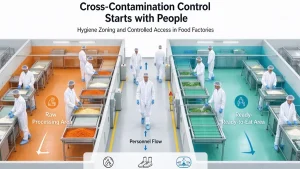
A hygienic food factory must implement strict controls across multiple operational areas:
Personnel Hygiene
-
Handwashing protocols
-
Protective clothing
-
Employee health monitoring
Equipment Sanitation
-
Regular cleaning schedules
-
Verified sanitation procedures
-
Documentation of cleaning operations
Environmental Control
-
Air quality management
-
Pest control systems
-
Waste management processes
Without structured hygiene procedures and reliable documentation, even small sanitation gaps can lead to audit failures.
Smart Monitoring to Reduce Food Safety Audit Failure Risk
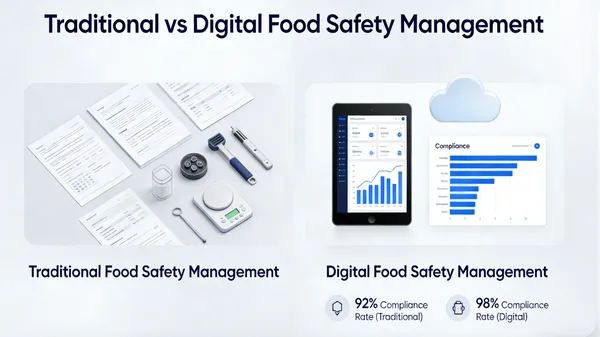
One of the most common issues found during failed inspections is poor data management.
Traditional manual record-keeping methods often create problems such as:
-
Missing logs
-
Inconsistent records
-
Human error in monitoring temperatures or cleaning schedules
To address these challenges, many modern food factories are adopting smart monitoring technologies.
Examples include:
-
IoT sensors for temperature and humidity monitoring
-
Digital sanitation logs with automated timestamps
-
Real-time equipment monitoring systems
-
Cloud-based traceability platforms
These systems allow factory managers to detect potential risks early and provide auditors with accurate, verifiable records.
Reference:
https://www.fda.gov/food
Lessons from a Real Food Safety Audit Failure Case
The recent factory shutdown illustrates how small operational weaknesses can escalate into major business risks.
Investigations revealed several critical issues:
-
Incomplete sanitation documentation
-
Manual temperature logs without verification
-
Lack of digital monitoring for critical control points
-
Poor traceability records during production
Without reliable data and clear compliance procedures, auditors could not confirm that food safety standards were being met.
The result was severe—two factories were permanently shut down, causing financial losses and damaging the company’s reputation.
How Food Factories Can Avoid Food Safety Audit Failure
Today’s food industry is becoming increasingly data-driven. Modern hygiene management solutions combine sanitation procedures with digital monitoring tools to ensure consistent compliance.
Key advantages include:
| Technology | Benefit |
|---|---|
| Real-time monitoring | Immediate detection of hygiene risks |
| Digital logs | Accurate records for audits |
| Cloud data storage | Reliable traceability |
| IoT sensors | Reduced human error |
With stricter international regulations and growing consumer expectations, implementing smart hygiene systems is becoming a standard requirement rather than an optional upgrade.
Conclusion
The closure of two food processing plants serves as a powerful reminder of the importance of food factory hygiene and compliance.
To avoid similar outcomes, food manufacturers must prioritize:
-
Strict sanitation procedures
-
HACCP and ISO 22000 compliance
-
Digital monitoring and traceability systems
-
Reliable data recording for audits
By combining strong hygiene practices with smart technology, food factories can improve safety, maintain regulatory compliance, and protect their long-term business success.
External Resources
ISO 22000 Food Safety Management
https://www.iso.org/iso-22000-food-safety-management.html
FDA Food Safety Guidance
https://www.fda.gov/food
HACCP Principles and Guidelines
https://www.fao.org/3/y1579e/y1579e03.htm