In food processing facilities with lower automation levels, office supplies are often essential for recording production and monitoring activities. However, not all office supplies are safe for use in food production areas. Some items pose risks of physical contamination, chemical hazards, or compromise record integrity. This guide highlights the office supplies that should be avoided in food processing areas.
- Correction Fluids
Composition:Methylcyclohexane, ethyl acetate, isoparaffins, cyclohexane, and other solvents for fast-drying and smooth application.
Potential Risks:
Chemical contamination:May contaminate products during use.
Food safety hazard:Can enter products accidentally or intentionally.
Recommendation: Avoid correction fluids; use digital records or permanent ink pens instead.
- Correction Tapes
Composition:Polystyrene, self-adhesive glue, styrene-acrylonitrile copolymer.
Risks:
- Chemical contamination:May leach substances onto products.
- Physical hazard: Small parts (gears, pressure pieces) can detach and enter products.
- Paper debris: Tape usage produces tiny strips that may fall into food, causing foreign object hazards.
Recommendation: Replace with non-peelable labels or electronic documentation.
- Utility Knives / Craft Knives
Structure:Plastic handle with retractable or breakable blade segments.
contamination: Blade tips may break off and enter products, creating foreign object hazards.
Recommendation:Prohibit use of craft knives; if necessary, use safety knives designed for food areas.
- Pencils and Erasers
- Record integrity:Pencil entries can be erased or modified, compromising data accuracy.
- Biological hazard:Wooden pencils may harbor microorganisms.
- Foreign object risk: Pencil leads can break and fall into products.
Recommendation:permanent pens or electronic recording systems
- Paper Clips
Small, thin, and prone to falling, potentially contaminating production areas and causing physical hazards.
Recommendation:Replace with safety clips or secure digital systems
- Staplers and Staples
Staples are small and easy to lose; flying staples from staplers can enter food, causing physical contamination.
Recommendation: Use staple-free binding or digital documentation.
- Wooden Clipboards
Wood may harbor bacteria or mold, posing a biological contamination risk
Recommendation:Use plastic or metal clipboards suitable for food processing environments.
Conclusion
Selecting the right office supplies in food processing areas is critical to prevent contamination, ensure accurate records, and maintain food safety standards. Avoid using:
Correction fluids
Correction tapes
Craft knives
Pencils and erasers
Paper clips
Staplers and staples
Wooden clipboards
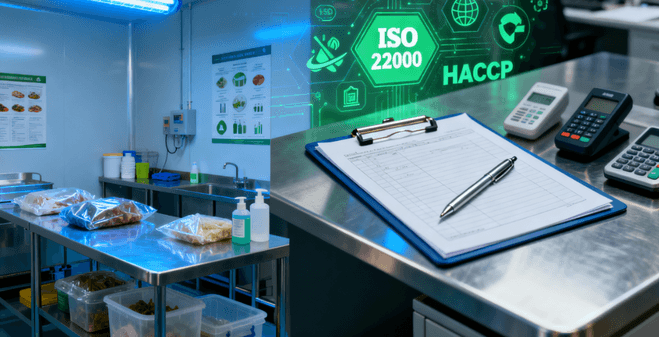
Instead, adopt digital record-keeping tools, safe writing instruments, and food-grade office materials to comply with international food safety standards such as ISO 22000** and HACCP.