APPLICATION
Fruit and VEGETABLE Processing
Industry Pain Points Analysis
The vegetable processing industry faces several hygiene challenges that need to be addressed to ensure food safety and regulatory compliance. These challenges include cross-contamination, inconsistent cleaning, and pressure to meet stringent food safety standards. This analysis outlines how implementing effective hygiene practices can minimize these risks, meet regulatory requirements, and improve operational efficiency.
Cross-Contamination: Raw materials and finished products may come into contact, transferring harmful bacteria or allergens.
Inconsistent Cleaning: Manual cleaning methods may not effectively sanitize all areas, especially corners or hidden parts of equipment.
Regulatory Compliance Pressure: Meeting the rigorous standards of food safety regulations like HACCP, GMP, and ISO is difficult without the right hygiene solutions.
Failure to address these pain points increases the risk of foodborne illnesses, product recalls, and non-compliance with food safety laws. Proper sanitation systems are therefore crucial for every vegetable processing facility.
Hygiene Risk Points and Key Control Areas (CCPs)
The following table outlines the hygiene challenges, their risk descriptions, and potential consequences in the vegetable processing industry. It also specifies the key control points where hygiene interventions must occur to mitigate these risks.
| Hygiene Challenge | Risk Point Description | Consequences | CCPs (Critical Control Points) |
|---|---|---|---|
| Cross-Contamination | Raw and cooked products coming into contact or through improper handling. | Bacterial spread, foodborne illnesses. | Boot sanitizing stations, hand sanitizing stations. |
| Worker Hygiene | Employees touching food without sanitizing hands or boots. | Increased risk of contamination. | Hand washing and boot washing stations. |
| Sanitation of Equipment | Poorly sanitized surfaces, utensils, and machines. | Surfaces can harbor bacteria, leading to contamination. | Regular disinfection of surfaces, equipment, and utensils. |
| Cleaning Efficiency | Inadequate cleaning time and methods lead to poor sanitization. | Non-compliance with hygiene standards. | Automated cleaning systems, proper cleaning protocols. |
| Waste Management | Accumulation of organic waste or improperly handled waste. | Odor, pests, and contamination risks. | Waste management systems, proper disposal protocols. |
Process Flow and Hygiene Control
流程图
Regulatory Compliance: HACCP, GMP, and ISO Standards
Compliance with food safety regulations is vital in vegetable processing. Below is a breakdown of key regulations and their relevance to hygiene control.
| Regulation | Description | Relevance to Hygiene Equipment |
|---|---|---|
| HACCP | Hazard Analysis and Critical Control Points, a systematic approach to identify food safety hazards and control them at critical points. | Requires effective sanitation at every critical control point (e.g., hand sanitizers, boot washers). |
| GMP | Good Manufacturing Practices, standards ensuring products are produced and controlled under hygienic conditions. | Emphasizes regular cleaning and disinfecting, especially in processing and storage areas. |
| ISO 22000 | Food Safety Management Systems, sets out the criteria for a food safety management system. | Focuses on preventing contamination, which can be achieved through robust hygiene practices. |
By adhering to these standards, vegetable processing facilities reduce the risk of contamination and protect public health.
Hygiene Risk Management: Effective Solutions
Case Study: ABC Vegetable Processing – Hygiene Overhaul
Client: ABC Vegetable Processing
Industry: Vegetable Processing
The Challenge
ABC Vegetable Processing, a large facility producing pre-packaged vegetables, faced significant hygiene issues:Cross-Contamination: Raw vegetables and processed products were contaminating each other.
Regulatory Warnings: The facility received warnings for non-compliance with HACCP and GMP standards.
Inefficient Cleaning: Manual cleaning methods were slow and inconsistent, leading to lingering contaminants.
The Solution
The facility implemented a comprehensive hygiene strategy:Automated Boot Washers at entry points to prevent contaminants.
Hand Sanitizing Stations in high-risk areas.
UV Light & Disinfectant Surface Sanitization to reduce manual labor and improve consistency.
Employee Training on hygiene protocols.
Hygiene Monitoring System to track real-time sanitation levels and ensure compliance.
The Results
Zero Cross-Contamination: Contamination incidents dropped to zero.
100% Regulatory Compliance: Full compliance with HACCP and GMP standards.
Improved Efficiency: Cleaning time was reduced by 40%, increasing overall productivity.
Conclusion
The vegetable processing sector faces significant challenges in maintaining hygiene, including cross-contamination, poor sanitation practices, and stringent regulatory pressures. Addressing these challenges effectively requires a well-thought-out approach that includes stringent hygiene control points, efficient sanitation processes, and compliance with industry standards like HACCP, GMP, and ISO. By adopting these strategies, vegetable processing facilities can improve food safety, minimize contamination risks, and increase operational efficiency.
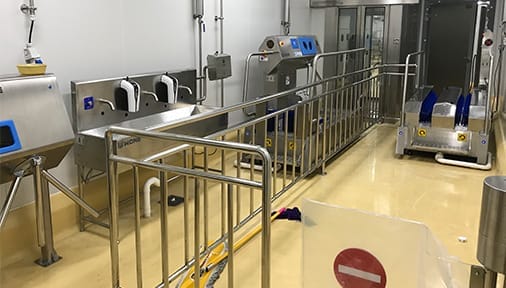
WONE hygiene stations invegetable processing factory changing room
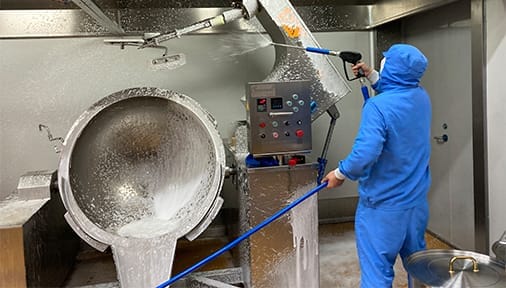
WONE open plant cleaning and sanitizing for vegetable processing areas

WONE boot dryers in vegetable processing factory changing room