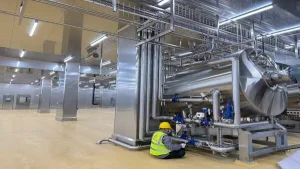
1. What Is Sauce Processing Plant Hygiene Control?
Maintaining proper sauce processing plant hygiene is essential for safe and high-quality sauce production. From personnel hygiene to equipment sanitation, every step in the production process must comply with HACCP standards to prevent contamination. This guide covers all aspects of sauce processing plant hygiene, including cleaning systems, air and floor sanitation, and practical SOPs for food factories.
According to food industry studies:
-
Up to 70% of contamination risks originate from personnel and processing environments
-
Poor sanitation can increase microbial counts by 2 to 10 times
For food manufacturers, this directly impacts:
-
Product shelf life
-
Audit performance (HACCP, ISO 22000)
-
Brand reputation and export eligibility
That’s why hygiene is no longer just compliance—it’s a business-critical system.
According to the World Health Organization (WHO) food safety guidelines, poor hygiene practices in food processing environments are one of the leading causes of food contamination.
2. Personnel Hygiene in Sauce Processing Plants
Before entering production, workers pass through changing rooms—which are often underestimated but play a critical role in contamination control.
Common Risks
-
Inadequate hand sanitation
-
Contaminated uniforms entering clean zones
-
Footwear carrying external bacteria
Best Practice Workflow
A properly designed hygiene process should include:
-
Zoning (dirty → semi-clean → clean)
-
Hand washing (minimum 20 seconds)
-
Hand disinfection (automated systems recommended)
-
Boot cleaning or sanitizing
-
Controlled access (hygiene compliance required)
Proven Impact
Facilities that implement automated hygiene stations report:
-
Up to 80% reduction in cross-contamination risks
Recommended Solutions
-
Integrated personnel hygiene stations
-
Boot cleaning machines
-
Access-controlled hygiene systems
3. Production Area Sanitation: High-Risk, High-Impact
Inside sauce processing areas, contamination risks increase due to:
-
Sticky product residues
-
Complex machinery surfaces
-
Moist and warm environments
3.1 Equipment Cleaning (CIP Systems)
Residue buildup inside tanks, pipelines, and mixers creates ideal conditions for bacteria.
Solution: CIP (Clean-in-Place) systems
-
Automated internal cleaning
-
Consistent chemical dosing
-
Reduced human error
Results:
-
Reduce cleaning time by 30–50%
-
Improve repeatability and hygiene consistency
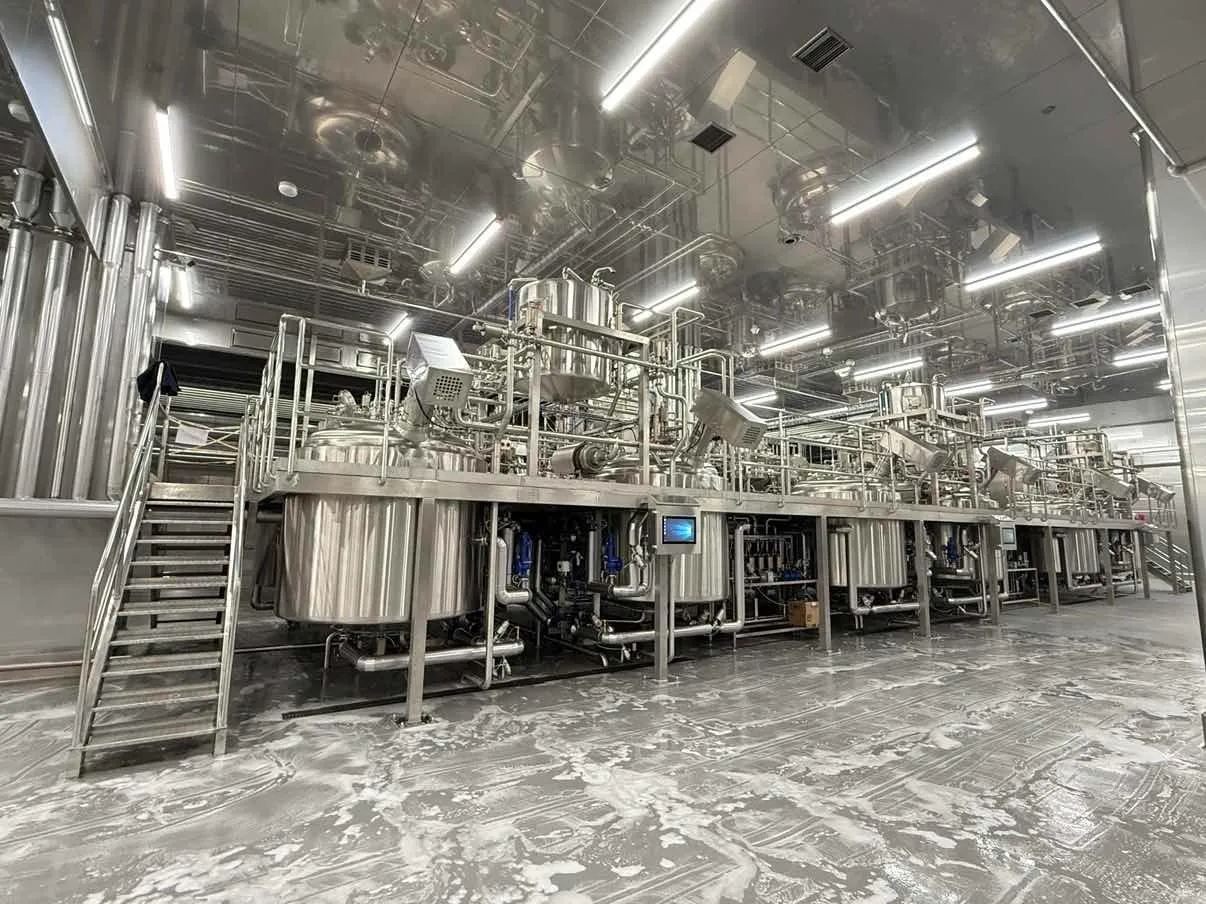
3.2 Floor & Drainage Hygiene
Floors are one of the most contaminated surfaces in food factories.
Common issues:
-
Standing water
-
Oil and sauce residues
-
Inefficient drainage
Solutions:
-
High-pressure cleaning systems
-
Foam cleaning technology
-
Hygienic drainage design
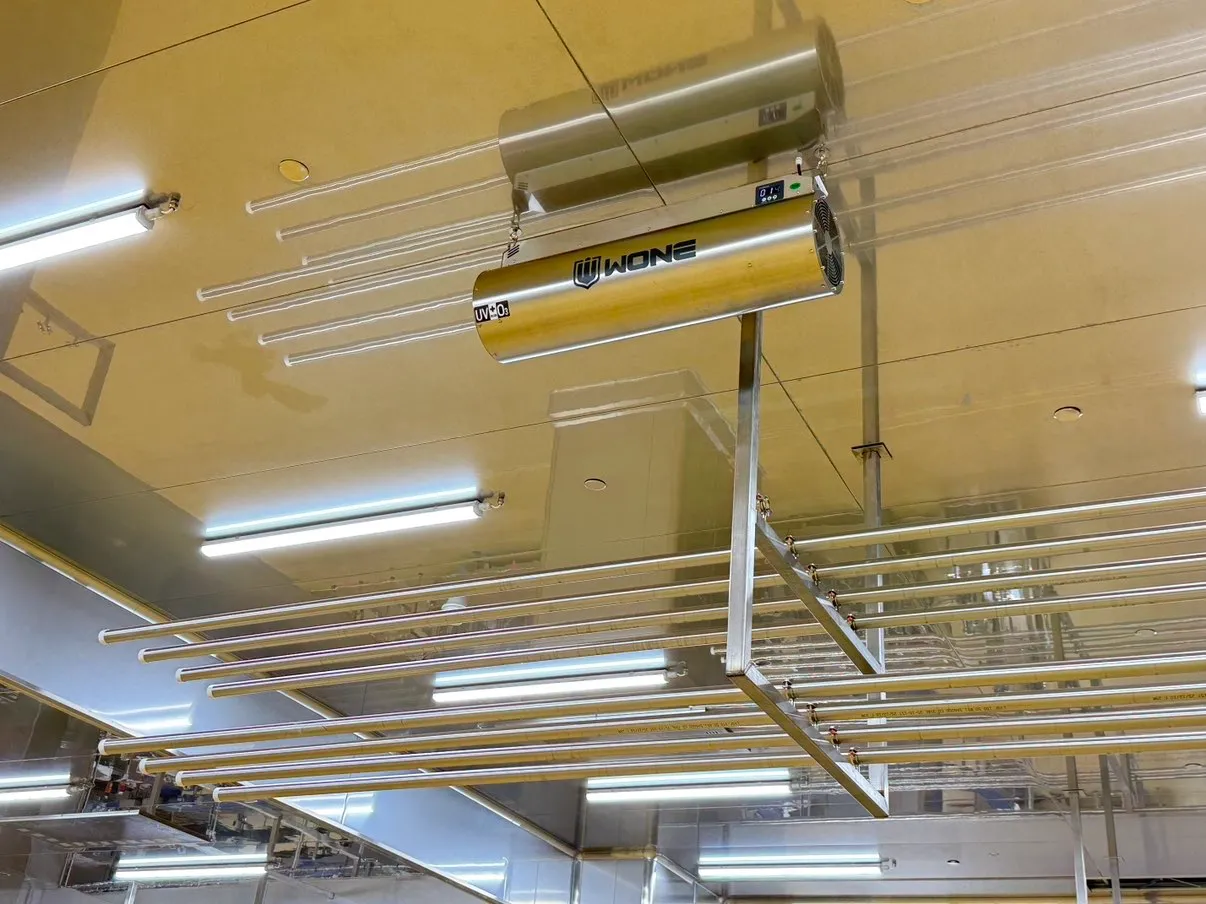
3.3 Air Quality & Environmental Control
Airborne contamination is often overlooked.
In sauce plants, steam and aerosols can carry microorganisms.
Recommended systems:
-
UV-C air disinfection
-
Positive pressure zoning
4. Case Study: Improving Hygiene in a Sauce Factory
Location: Southeast Asia
Industry: Chili Sauce Production
Challenges:
-
Inconsistent shelf life
-
Frequent microbial test failures
Implemented Solutions:
-
Installed personnel hygiene stations
-
Redesigned changing room workflow
-
Introduced foam cleaning system
-
Standardized cleaning SOPs
Results:
-
Microbial failures reduced by 65%
-
Customer complaints reduced by 40%
-
Successfully passed HACCP audit
5. Recommended Cleaning SOP for Sauce Factories
Daily Cleaning
-
Equipment surface cleaning
-
Floor washing
-
Personnel hygiene checks
Weekly Cleaning
-
Deep equipment cleaning
-
Drain system sanitation
-
Hard-to-reach areas
Monthly Cleaning
-
Full disinfection
-
Air system maintenance
-
Microbiological testing
6. Why Automation Matters in Food Factory Cleaning
Modern food factories are shifting toward automated and standardized cleaning systems.
Benefits:
-
Higher efficiency
-
Reduced labor dependency
-
Consistent hygiene results
-
Easier audit compliance
Automation is especially important for factories targeting:
-
Export markets
-
Large-scale production
-
International certifications
7. Key Takeaways
To build a high-standard sauce processing facility, focus on:
✔ Personnel hygiene control (changing rooms)
✔ Equipment cleaning systems (CIP & foam cleaning)
✔ Environmental hygiene (floors, drains, air)
A well-designed hygiene system not only ensures safety—but also improves efficiency, compliance, and profitability.
📢 Call to Action
Looking to improve hygiene standards in your food processing plant?
Woneclean provides:
-
Customized cleaning solutions
-
Industrial hygiene equipment
-
Support for HACCP and audit compliance
👉 Contact us today for a tailored solution.