Overview of Food Manufacturing Trends
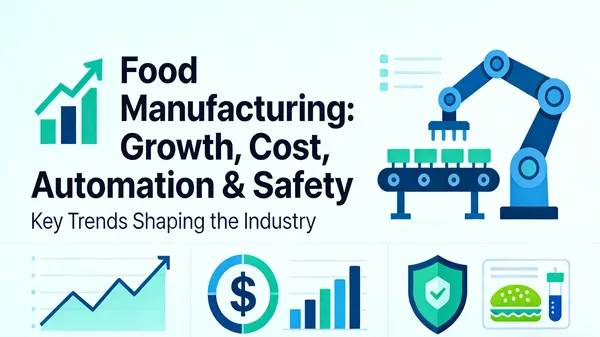
Food manufacturing trends are evolving rapidly as companies face both challenges and opportunities in a shifting global economy. Although sales have dipped in some regions, leading food and beverage manufacturers continue to achieve revenue growth. In addition, investments in operational efficiency, equipment upgrades, and food safety remain strong, emphasizing the industry’s commitment to innovation. Understanding current food manufacturing trends is essential for companies looking to stay competitive and meet regulatory requirements. (Food Engineering Magazine)
📈 Production and Growth Drivers
Industry data reveal several important trends:
-
More than 60% of surveyed manufacturers expect production line output to increase, with an average growth rate of 20%.
-
Such growth is largely driven by business expansion, new customer acquisition, rising market demand, and product line diversification.
-
Nevertheless, a smaller group anticipates production declines due to economic uncertainty, increasing costs, and labor shortages.
Taken together, these findings suggest that companies leveraging technology and strategic positioning are well-positioned to seize opportunities, even in a challenging environment. Moreover, firms that integrate smart manufacturing practices often see greater efficiency gains and long-term stability.
💸 Rising Costs in Food Manufacturing
Rising costs continue to challenge manufacturers across multiple dimensions.
-
Over 70% of respondents report that total production costs per unit have increased over the past year.
-
Material costs remain the most significant driver, followed by rising logistics and transportation expenses.
-
Additionally, labor costs continue to impact overall profitability.
Consequently, manufacturers must implement smarter production management strategies. By optimizing processes and reducing waste, companies can mitigate the effects of rising expenses while maintaining product quality.
🛠 Automation and Equipment: Emerging Food Manufacturing Trends
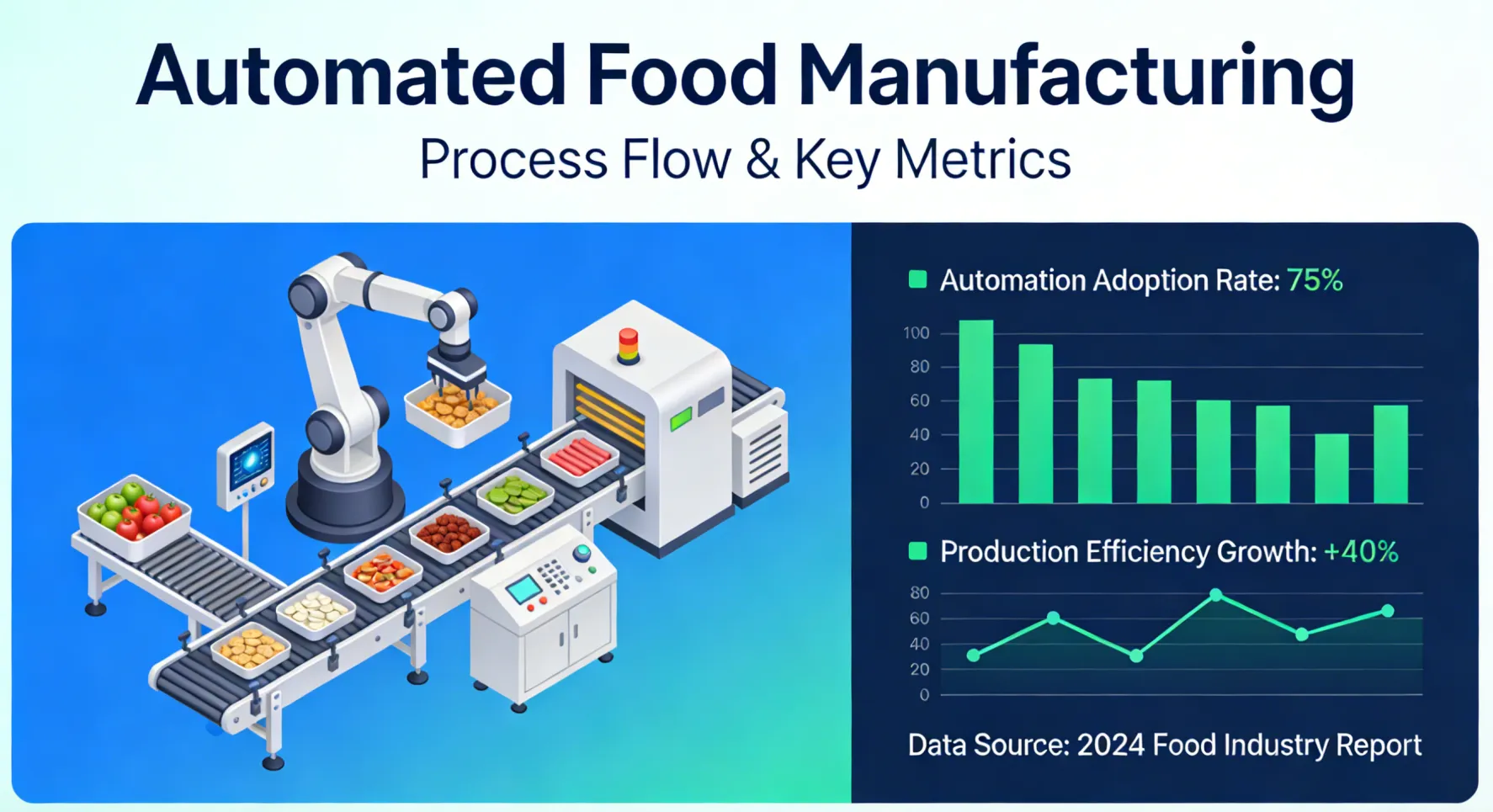
Despite cost pressures, manufacturers are still investing heavily in technology and automation.
-
More than half of respondents have increased their budgets for equipment upgrades and automation solutions.
-
On average, equipment investment budgets grew by 19%, with roughly one-third specifically allocated for new equipment purchases.
Such investment demonstrates that automation, smart manufacturing, and digital tools are essential strategies to enhance efficiency and offset rising costs. In addition, these technologies help manufacturers respond more flexibly to changing market demands and supply chain fluctuations.
🧪 Food Safety and Compliance in Modern Food Manufacturing
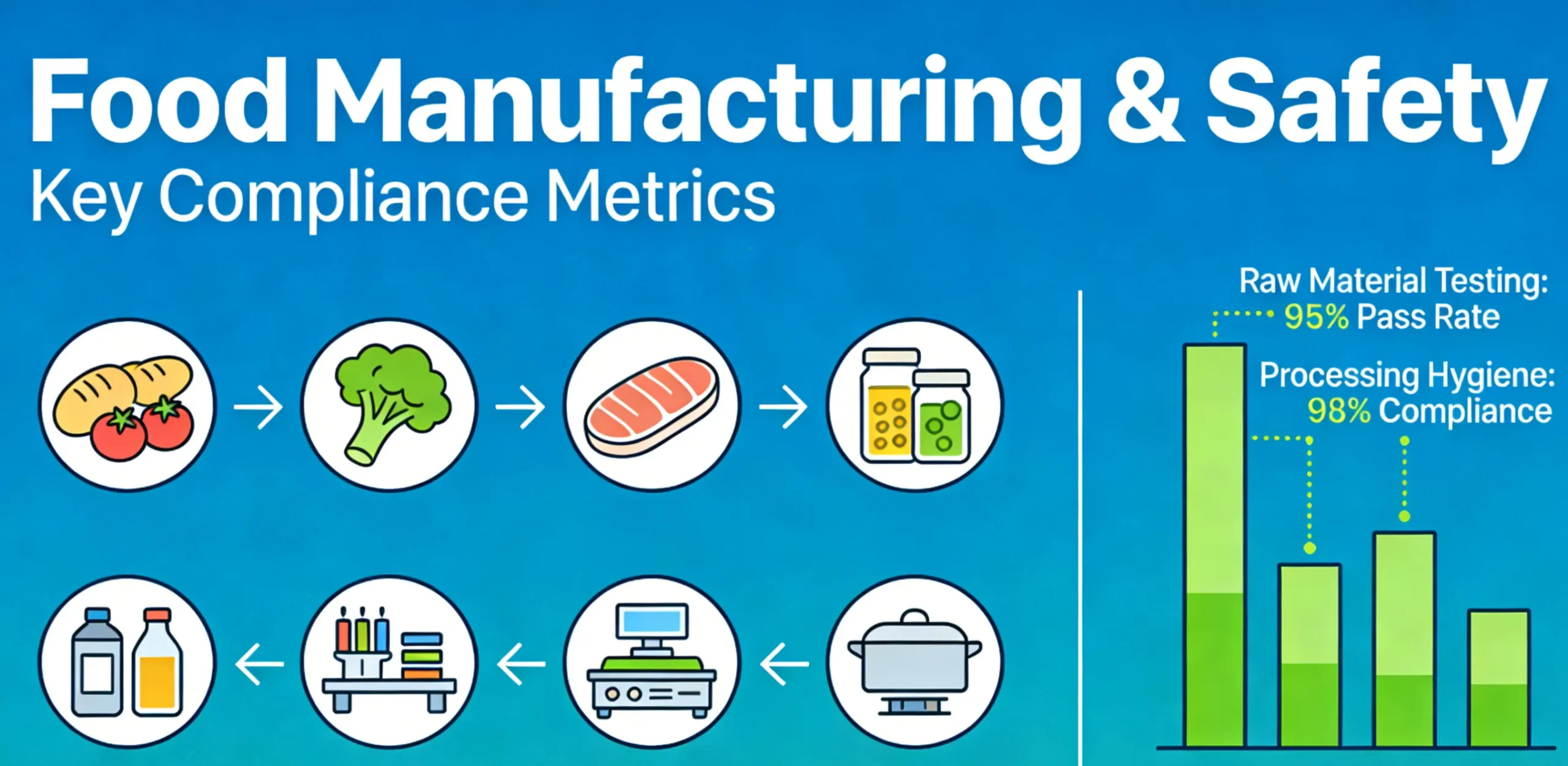
Recent recalls related to foodborne pathogens have underscored the critical importance of food safety. With the Food Safety Modernization Act (FSMA) soon enforcing mandatory traceability requirements, manufacturers must carefully monitor every step of production. As a result, food safety has become a top priority.
Industry surveys reveal:
-
Nearly half (48%) of manufacturing professionals conducted safety-related training in the past year, an increase from 46% previously.
-
About 32% plan to purchase laboratory testing or analysis equipment/software, while 24% intend to acquire food safety management systems—making these the largest categories in current procurement.
Common food safety practices include:
-
74% implement allergen control measures
-
72% conduct comprehensive employee training
-
64% maintain batch-level traceability
-
63% adopt food safety management systems
-
53% implement item-level traceability
Some preventive control challenges remain:
-
Over half (53%) rely on microbiological or chemical testing of raw materials and ingredients
-
40% report that maintaining supply chain stability is the most difficult preventive control measure
-
29% highlight allergen control and cross-contamination prevention as challenging
-
27% note sanitation procedures as a complex area
At this point, Woneclean solutions play a critical role. High-efficiency cleaning and sanitation equipment reduces cross-contamination risks and enhances production line hygiene, ensuring compliance with FSMA and daily safety requirements. By integrating intelligent cleaning solutions with robust safety protocols, manufacturers can lower recall risks while delivering safer, higher-quality products, strengthening trust with customers.
.
📊 Key Trends and Future Directions
Several trends are shaping the future of food manufacturing:
🔹 Growth and Differentiation: Many manufacturers anticipate higher output, yet some may face reduced capacity due to economic pressures or labor shortages.
🔹 Rising Costs: Material, labor, and logistics expenses continue to increase, requiring more intelligent production management strategies.
🔹 Equipment Upgrades and Automation: Adoption of automation and digital solutions continues to accelerate, streamlining operations and boosting efficiency.
🔹 Food Safety Prioritization: Allergen control, cross-contamination prevention, sanitation, and traceability remain central to operations. Woneclean sanitation equipment provides vital support in these areas.
In conclusion, combining advanced equipment, automation, and data-driven management enables food manufacturers to achieve sustainable growth while maintaining the highest standards of food safety. Furthermore, companies that embrace smart technologies and robust hygiene protocols are better prepared to navigate market volatility and regulatory demands.
Outbound References / External Links
Furthermore, as food manufacturing trends continue to evolve, manufacturers must not only improve efficiency but also strengthen sanitation and safety practices to remain competitive.