Seafood Industry Hygiene Pain Points
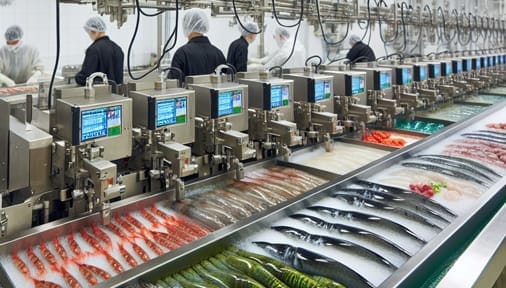
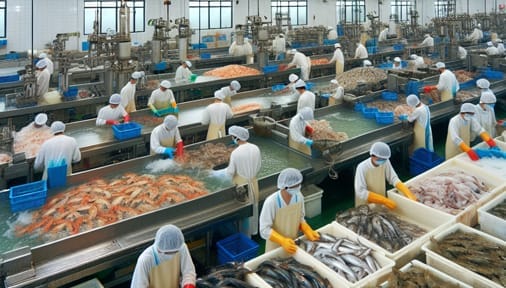
Seafood industry hygiene equipment plays a critical role in preventing contamination in modern seafood processing plants. These facilities face extreme hygiene challenges due to wet conditions, low temperatures, and continuous contact with raw fish. Such environments allow Listeria monocytogenes, Salmonella, and other pathogens to survive and spread easily. Water, brine, and fish proteins accumulate on floors, conveyors, and cutting tables, forming strong biofilms that cannot be removed through manual cleaning alone.
Cross-contamination risks increase as workers frequently move between raw, processing, and packaging zones. Without automated hygiene control—such as hand sanitation, sole disinfection, and efficient foam cleaning systems—plants often fail CCP verification, experience inconsistent sanitation results, and struggle to maintain HACCP, GMP, and ISO 22000 compliance.
Manual washing and traditional mop cleaning cannot provide stable results, often leading to hygiene failures during HACCP inspections. This results in export rejection, product recalls, and severe financial losses. Automated hygiene systems—such as hygiene stations, shoe sole cleaners, and foam cleaning equipment—are now essential to ensure consistency, reduce labor dependency, and achieve regulatory compliance in seafood production environments.
Key Risk Points & CCP in Seafood Processing
| Process Stage | Risk Point | Reason | CCP |
|---|---|---|---|
| Raw Receiving | Bacteria, parasites, melting ice | High microbial load entering facility | ✔ |
| Gutting / Cutting | Biofilm, blood, residues | Tools + surfaces rapidly contaminate | ✔ |
| Sorting / Grading | Cross-zone worker movement | Contamination from shoes & gloves | ✔ |
| Filleting | Knife, table surface bacteria | Continuous protein residues | ✔ |
| Brining / Washing | Contaminated wash water | Pathogen spreading in wet area | – |
| Portioning | Hands + gloves contamination | High exposure contact | ✔ |
| Packaging | Final contamination risk | Direct contact with ready product | ✔ |
| Cold Storage | Condensation, water | Listeria harborage risk | – |
Seafood Processing Workflow (with Hygiene Cycles)

Seafood Industry Hygiene Equipment Solutions
Our seafood industry hygiene equipment helps processors control critical contamination points and maintain stable sanitation performance.
1. PHS Hygiene Station – CCP Assurance at Entry Points
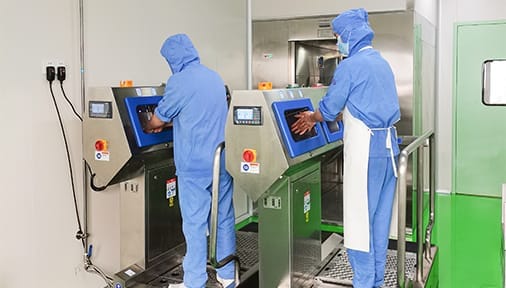
A hygiene station ensures every worker follows mandatory sanitation steps, preventing cross-contamination at the source.
Benefits:
Automatic hand washing & sanitizing
Automatic shoe sole disinfection
Prevents bypass with access control
Works in low-temperature wet environments
Essential for HACCP & ISO compliance
👉 Recommended Model:
PBW-22BR Hygiene Station
https://woneclean.com/product/hygiene-station-pbw-22br/
Using the right seafood industry hygiene equipment reduces the risks caused by wet floors, fish residues, and cross-zone worker movement.
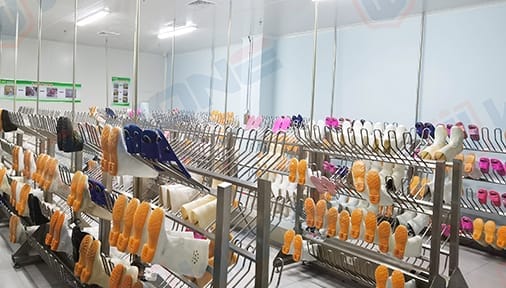
2. PBW Boot & Shoe Sole Cleaning Machine
Seafood plants generate water, oil, and fish residues that easily stick to shoes.
Benefits:
Strong brush scrubbing + disinfectant
Handles fish oil, scales, brine
Suitable for high-frequency use
Prevents contamination between raw & cooked zones
👉 Recommended Model:
PBW-31W Boot Washer
https://woneclean.com/product/boot-washer-pbw-31w/
3. Foam Cleaning Equipment for Seafood Industry Hygiene
Biofilm is one of the biggest contamination challenges in seafood factories.
Benefits:
High-adhesion foam dissolves protein/fat
Covers floors, drains, conveyors, walls
Perfect for wet production areas
Ensures audit readiness and hygiene consistency
👉 Foam Cleaning Machine:
https://woneclean.com/product/foam-cleaning-machine-efc-325e/
Case Study – 2,000 m² Seafood Processing Plant
A seafood processor in Southeast Asia repeatedly failed Listeria swab tests in filleting and packaging areas. Workers often skipped hygiene steps, and manual cleaning was inconsistent.
After installing:
✔ PHS-11T hygiene stations
✔ PBW-22B boot washers
✔ Foam cleaning systems
Results after 6 weeks:
Microbial counts ↓ 42%
Zero HACCP non-conformities
Product rejection rates ↓ 28%
Faster sanitation cycles
Stronger worker hygiene discipline
Modern seafood industry hygiene equipment significantly improves audit results and supports long-term HACCP compliance.
Compliance With International Standards
Our solutions support compliance with:
HACCP – Critical Control Point hygiene
GMP – Good Manufacturing Practice
ISO 22000 – Food Safety Management System
EC 852/2004 – EU hygiene regulation
FDA Seafood HACCP guidelines
Recommended External Links (Authority, Non-Competitive)
To support seafood processors with globally recognized food safety guidelines, the following authoritative external resources provide reliable reference standards and strengthen the credibility of this page:
• Codex Alimentarius – Hygiene for Fish & Fishery Products
https://www.fao.org/fao-who-codexalimentarius/codex-texts/codes-of-practice/en/
(International hygiene code for fish and fishery products.)
• FAO – Seafood Processing Hygiene Guide
https://www.fao.org/fishery/en/publication/147771
(FAO’s official guidelines for sanitation and process hygiene in seafood plants.)
• FDA – Seafood HACCP Regulation
https://www.fda.gov/food/seafood-guidance-documents-regulatory-information/fish-and-fishery-products-hazards-and-controls
(FDA regulatory requirements for seafood HACCP, hazard analysis, and sanitation control.)
• ISO – ISO 22000 Food Safety Management Standard Overview
https://www.iso.org/iso-22000-food-safety-management.html
(Global food safety management system standard overview from ISO.)